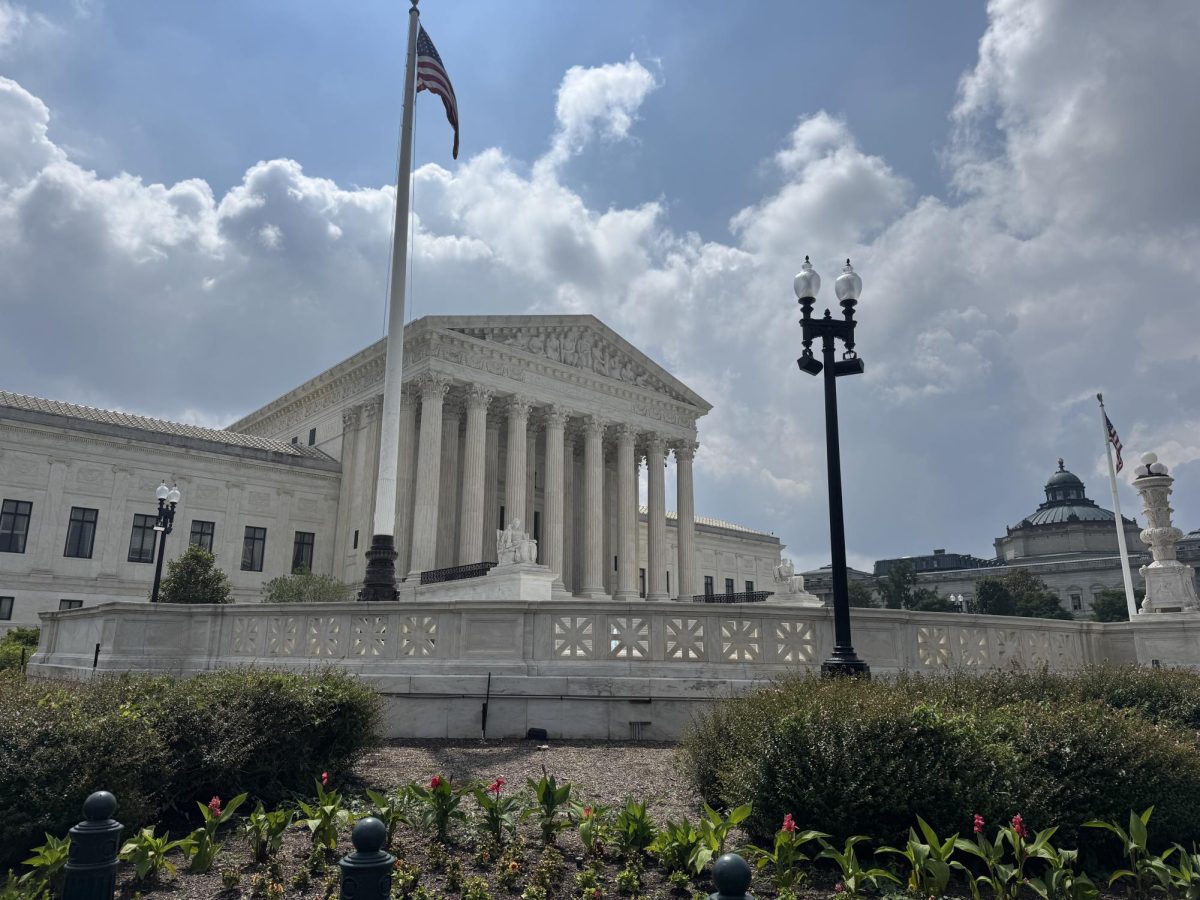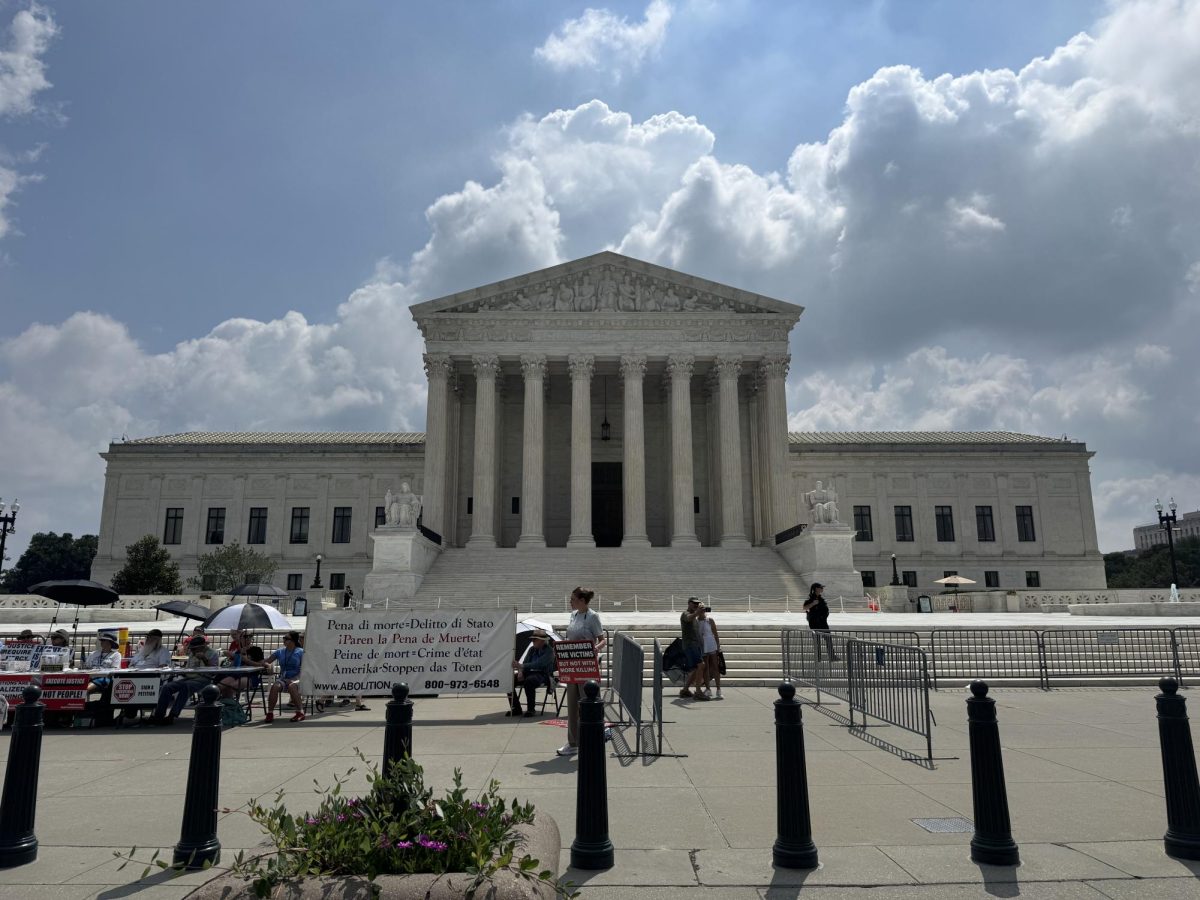
WASHINGTON — The U.S. Supreme Court handed the Trump administration two significant immigration victories Thursday, ruling that courts cannot block the end of deportation protections for Haitian and Syrian immigrants and allowing the administration to turn away asylum seekers at the border.
In Al Otro Lado, the court ruled 6-3 that an immigrant does not “arrive” in the U.S. for purposes of asylum eligibility until they are let in or physically cross the border, not simply by reaching a port of entry and waiting.
Justice Samuel Alito who wrote for the 6-3 majority, defined when migrants are considered to have “arrived” under federal law, clearing the way for the administration to revive metering, a practice first used in 2016 that limits how many migrants can seek asylum at ports of entry each day.
James Percival, general counsel for the Department of Homeland Security, said the ruling vindicates the administration’s argument that migrants are not legally considered to be in the United States until they have entered the country.
“This decision opens up an important tool to continue securing our southern border,” he said.
The case asked whether migrants standing at a port of entry, but not yet physically admitted, count as having “arrived” for purposes of triggering asylum protections under 8 U.S.C. § 1158(a)(1).
Challengers, including the advocacy group Al Otro Lado, argued metering effectively denies people the chance to begin the asylum process at all by forcing them to wait, sometimes for months, on the Mexican side of the border.
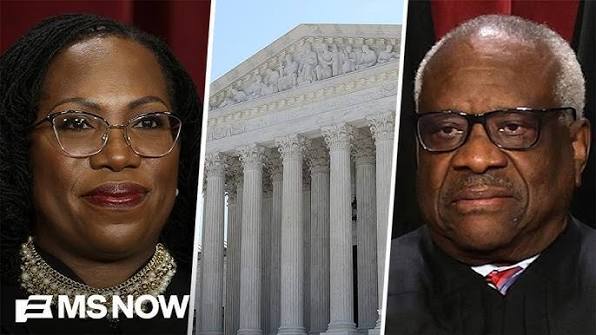
Justice Sonia Sotomayor read her dissent from the bench for the court, arguing the ruling undermines due-process protections for asylum seekers at the border.
Unusually, Justice Alito responded from the bench, “There is much that I would have added to my bench statement had I known there would be a dissent read,” Alito said.
Once finished, Alito referred those in the courtroom to his written opinion, noting that the border metering policy had been used by both Democratic and Republican administrations, before concluding, “I won’t add anything more to that.”
TPS terminations for Haiti and Syria, Mullin v. Doe
In a separate 6-3 ruling, also authored by Alito, the court held that federal courts cannot block the administration from ending Temporary Protected Status (TPS) for Haitian and Syrian nationals, allowing Homeland Security to move forward with terminating both countries from the program.
TPS allows people from countries facing war, natural disasters or other extraordinary conditions to live and work legally in the United States. About 1.3 million immigrants were covered by TPS before then Homeland Security Secretary Kristi Noem began revoking protected status in 2025.
Mullin v. Doe considered whether courts can review the process behind a TPS termination, including whether the secretary consulted with the State Department as required, even though the same statute bars review of the final decision itself.
The court held that the secretary’s “subsidiary decisions merge into the final agency action,” meaning that if the final decision is unreviewable, so too are the steps that led to it. Effectively limiting the ability of lower courts to halt those executive actions while litigation proceeds.
Justice Elena Kagan dissented, joined by Justices Sotomayor and Ketanji Brown Jackson, arguing courts should retain the ability to check whether Homeland Security followed the consultation steps Congress requires before ending a designation.
Why it matters
Together, these rulings reshape how quickly immigration policies can take effect by limiting when and how lower courts can intervene. The court focused on the judiciary’s role, concluding in both cases that executive immigration decisions should proceed despite legal challenges.
For the Trump administration, the decisions remove major legal obstacles to implementing key immigration priorities. More broadly, they strengthen the authority of future administrations to carry out immigration policies before courts have fully resolved challenges to them.
These rulings are likely to influence how future immigration disputes reach the courts and how quickly government actions take effect.
Gaylord News is a reporting project of the University of Oklahoma Gaylord College of Journalism and Mass Communication. For more stories by Gaylord News go to GaylordNews.net.