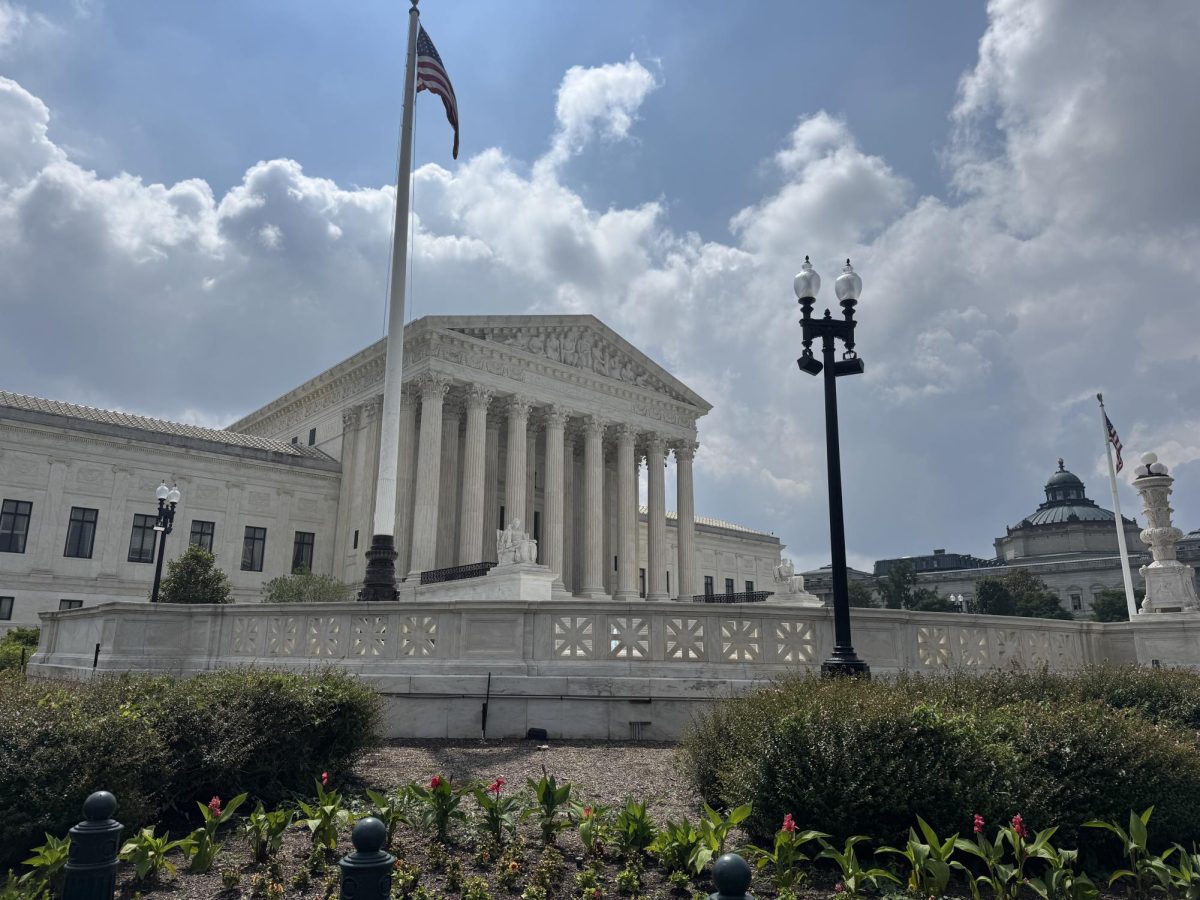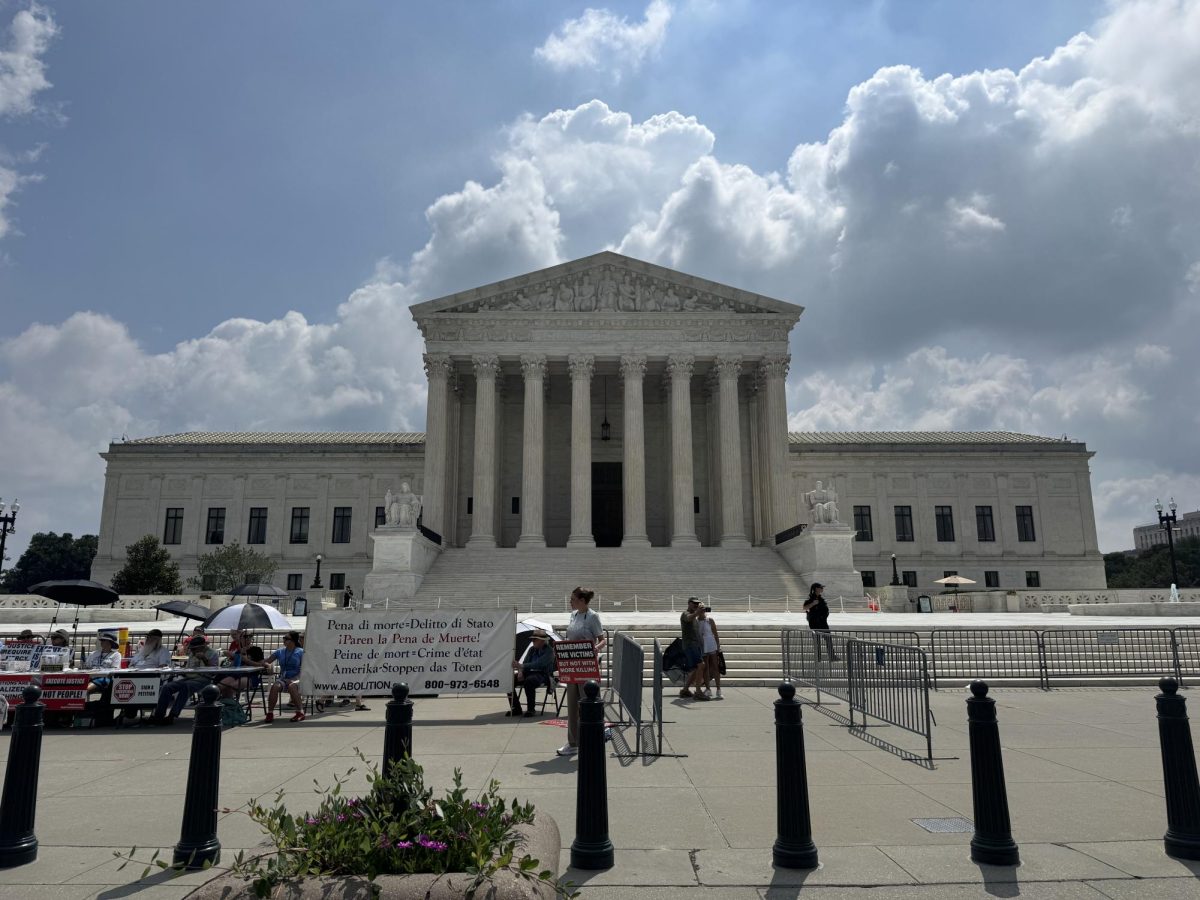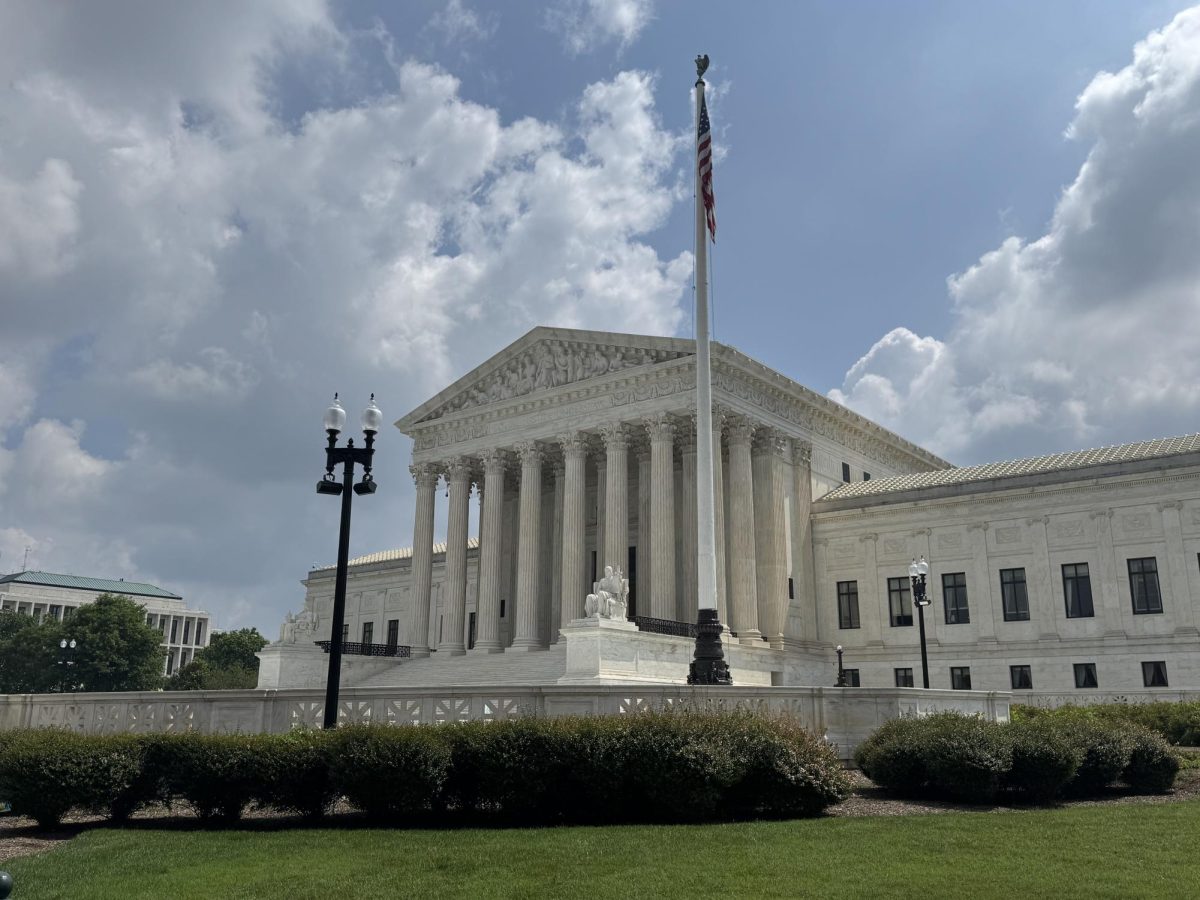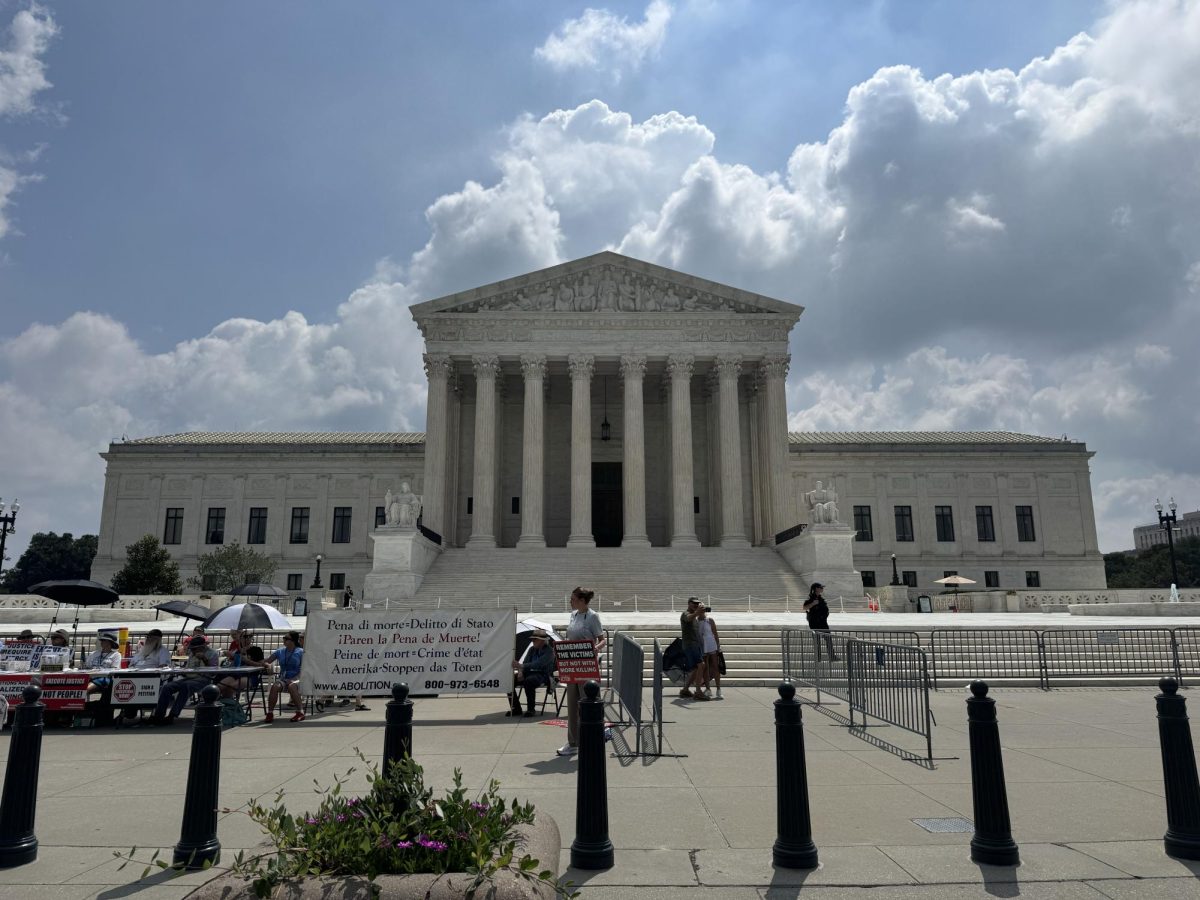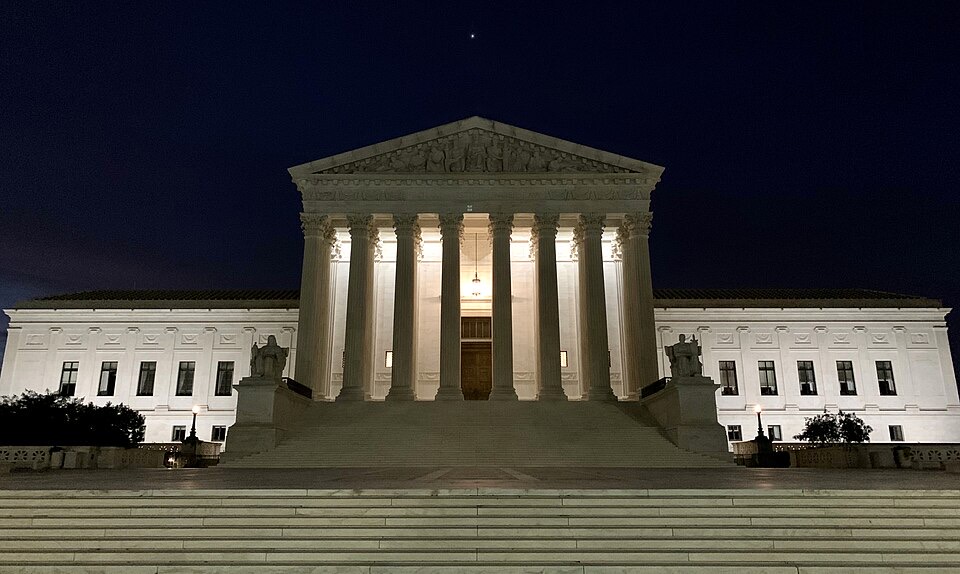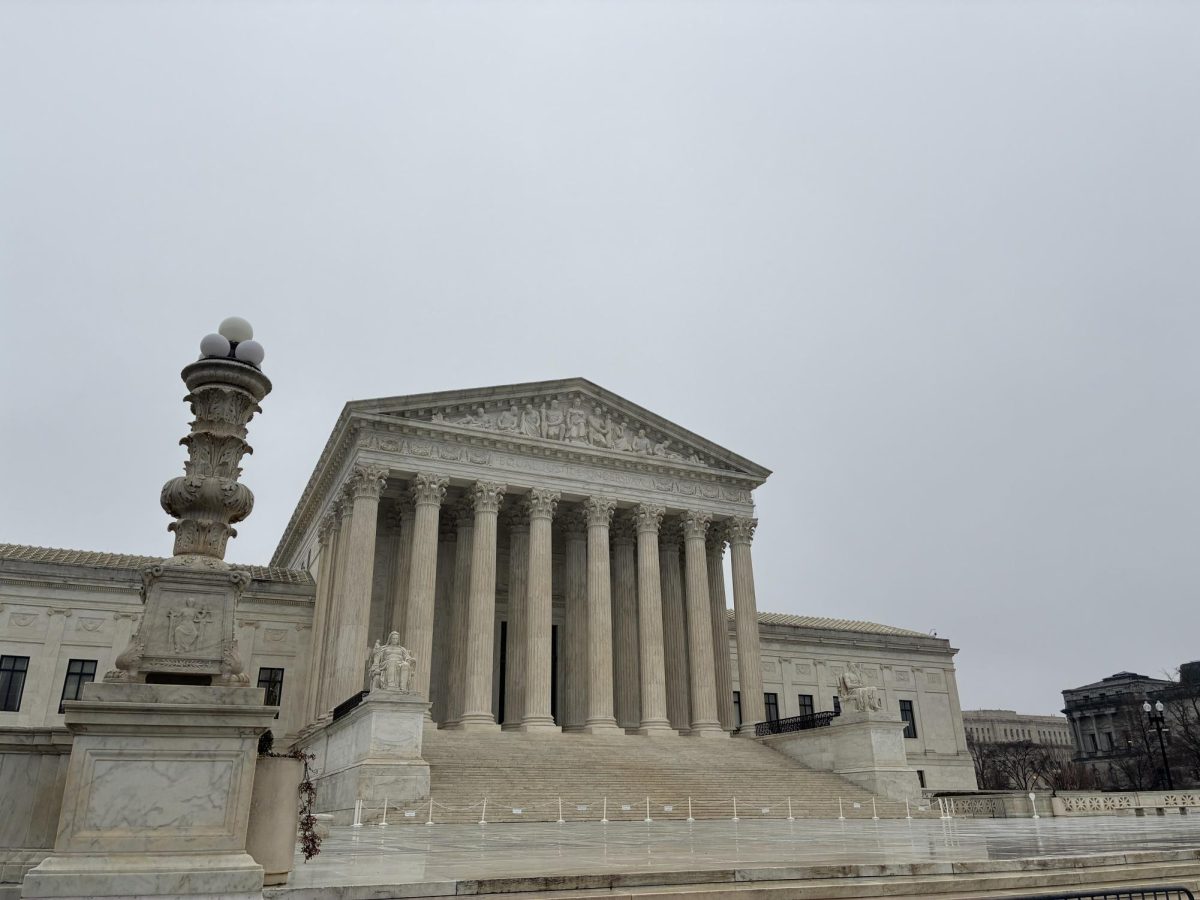
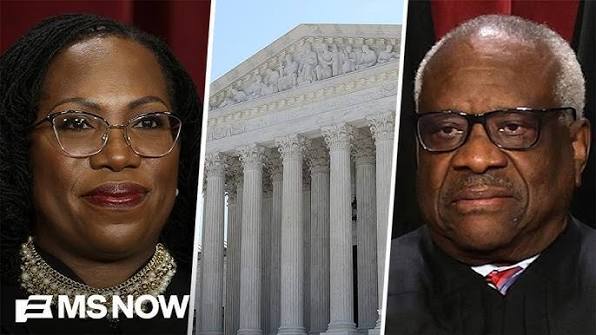
WASHINGTON — Three days after the Supreme Court struck down President Donald Trump’s attempt to end birthright citizenship, the ruling’s aftershocks are still unfolding, in dueling opinions from the court’s two Black justices.
The court ruled 6-3 Tuesday in Trump v. Barbara holding that children born in the U.S. to noncitizen parents are “subject to the jurisdiction” of the U.S. and are citizens at birth under the 14th Amendment’s Citizenship Clause.
The ruling struck down Trump’s Executive Order 14160, which sought to end birthright citizenship for children born in the U.S. to noncitizen parents. Federal courts had previously blocked its enforcement before the case reached the Supreme Court.
Chief Justice John Roberts wrote for the majority, tracing birthright citizenship back through English common law and the Reconstruction-era debates over the 14th Amendment, concluding there was “scant evidence” for what he called a “dramatically revisionist view” that citizenship depends on a parent’s legal domicile.
Additionally because the ruling rests on the Constitution rather than a statute, undoing it would require a constitutional amendment, meaning two-thirds approval in both chambers of Congress and ratification by three-fourths of the states, a bar that hasn’t been cleared in more than 50 years.
Justice Kentanji Brown Jackson wrote separately “to respond to some of the themes in the principal dissent” by Justice Clarence Thomas, whose opinion ran roughly 90 pages. Thomas argued the 14th Amendment was written narrowly, to secure “equal rights for the freed blacks,” not to extend citizenship to children of immigrants and temporary visitors.
In a concurring opinion, Jackson likened Thomas’ interpretation to the reasoning of Dred Scott v. Sandford, the 1857 decision that denied citizenship to Black Americans. Jackson wrote that Thomas’s reading of the 14th Amendment “bears little relationship to the history of its ratification.”
Jackson further rejected this interpretation, writing that the Reconstruction Amendments were “an anticaste, antisubordination reset for the Nation, not a mere spot treatment for the dark stain of slavery.”
She also tied the dispute to the court’s broader race jurisprudence. Jackson questioned whether decisions weakening the Voting Rights Act and ending race-conscious college admissions would have come out differently if the court had grounded its “colorblind Constitution” doctrine in the 14th Amendment’s history.
Jackson’s footnotes cite Yale historian David Blight’s Pulitzer Prize-winning biography of Frederick Douglass. She invokes Douglass’s aim to “show that nations should have memories,” as criticism of what she calls Thomas’s distorted account of Reconstruction from the Civil War in which an estimated 750,000 soldiers died.
Blight discussed the ruling in person the night it came down, telling Lawrence O’Donnell on his MS NOW primetime program that the dissenting justices bring “a political and racial ideology in search of a history that’s not there.” Harvard’s Laurence Tribe, also on the program, said the ruling shows the country is “a heartbeat away from repealing” the core of the 14th Amendment if the court’s makeup shifts.
Trump’s own response was fairly restrained. He called the ruling “too bad for our Country” on Truth Social and said he’d push Congress to legislate around it instead.
But Deputy White House chief of staff Stephen Miller made up for Trump’s restraint, calling the decision “one of the most destructive and outrageous decisions in the court’s history” in a post on X. On Fox News later that day, Miller said the administration would take a hard look at restricting entry for pregnant foreign travelers.
However, so-called birthing tourists amount to less than 1% or 5,000 to 26,000 of the 3.4 million births each year, federal and academic researchers both say.
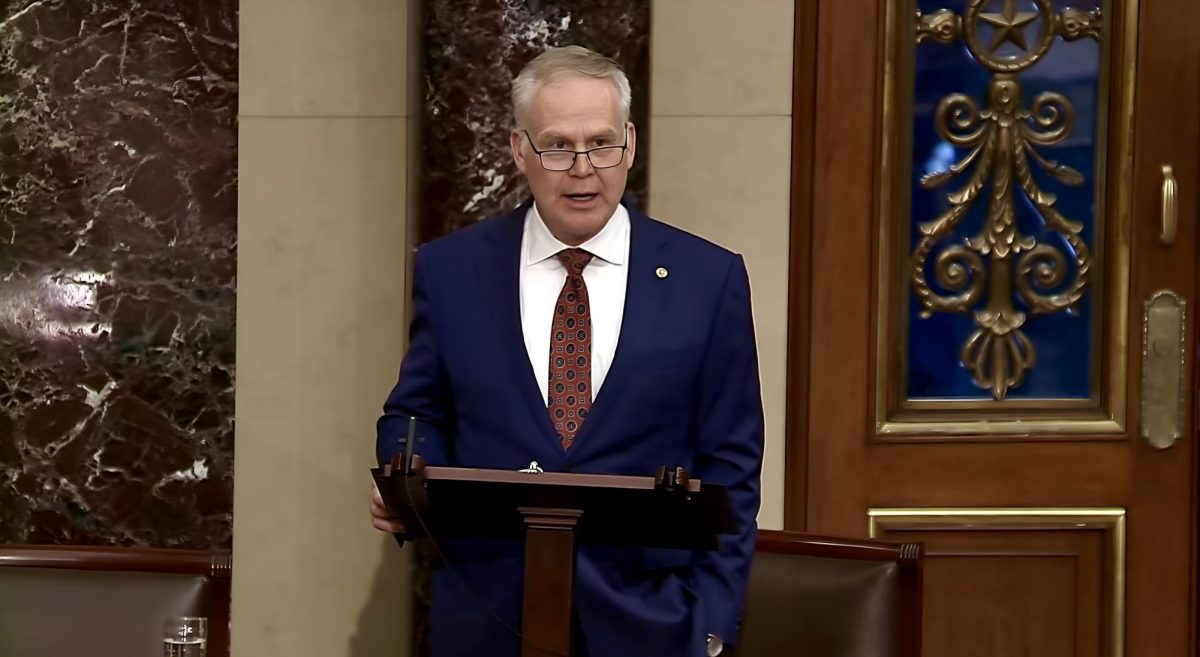
Oklahoma lawmakers reacted with similar disappointment. Sen. James Lankford said in a press release, “Oklahomans are rightly frustrated when someone breaks into our country to force us to give their children American citizenship.”
Gov. Kevin Stitt told News 9 he believes the court “got it wrong,” arguing the country’s social safety net “cannot afford” to extend citizenship this way.
The Trump administration has long raised concerns about “birth tourism,” referring to foreign nationals traveling to the United States to give birth so their children receive U.S. citizenship.
Estimates of how often the practice occurs vary widely, as there is no federal data tracking travel intent behind births. Federal birth records track where mothers live at the time of delivery, but not why they are in the country, making the scale of the practice difficult to determine.
For now, the practical effect for families is unchanged. Children born on U.S. soil to undocumented parents remain automatic U.S. citizens, as they have been for more than 150 years.
Gaylord News is a reporting project of the University of Oklahoma Gaylord College of Journalism and Mass Communication. For more stories by Gaylord News go to GaylordNews.net.