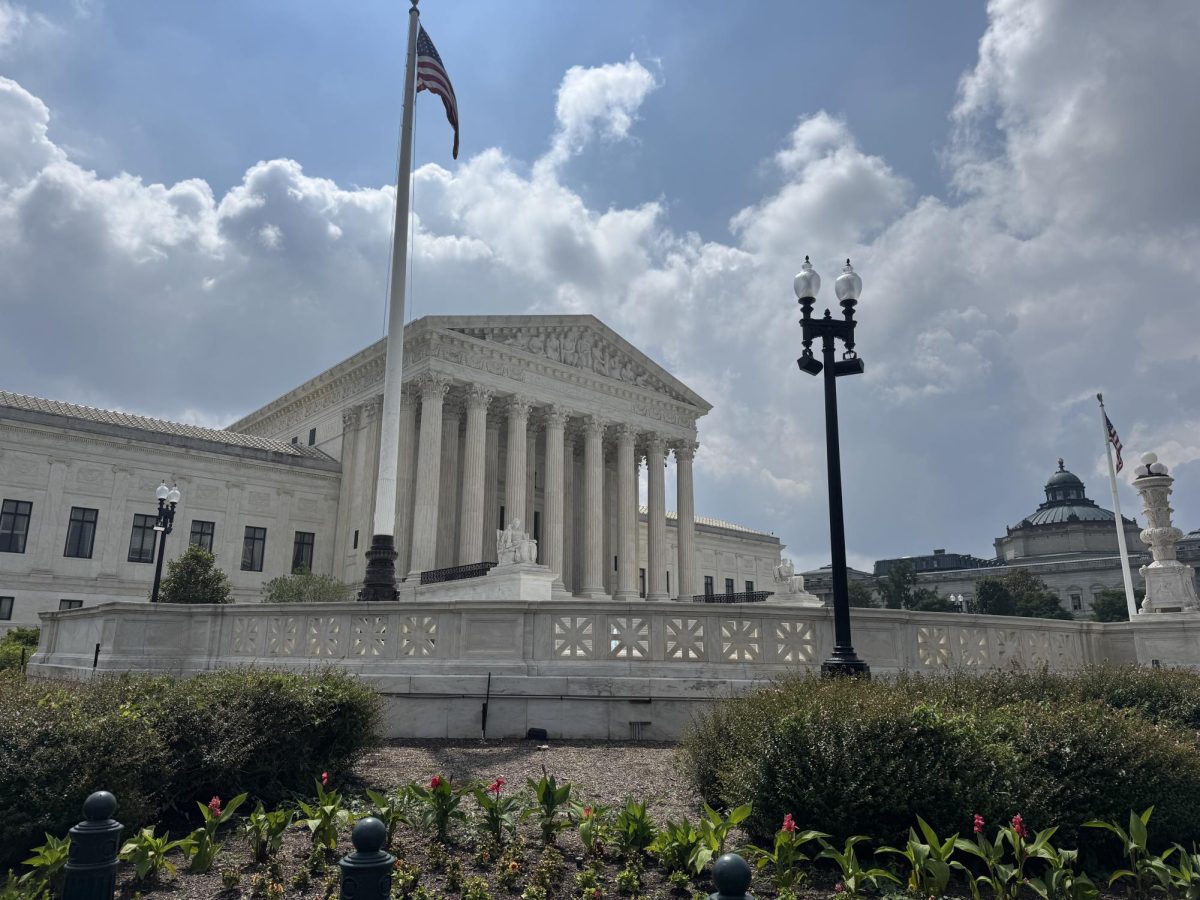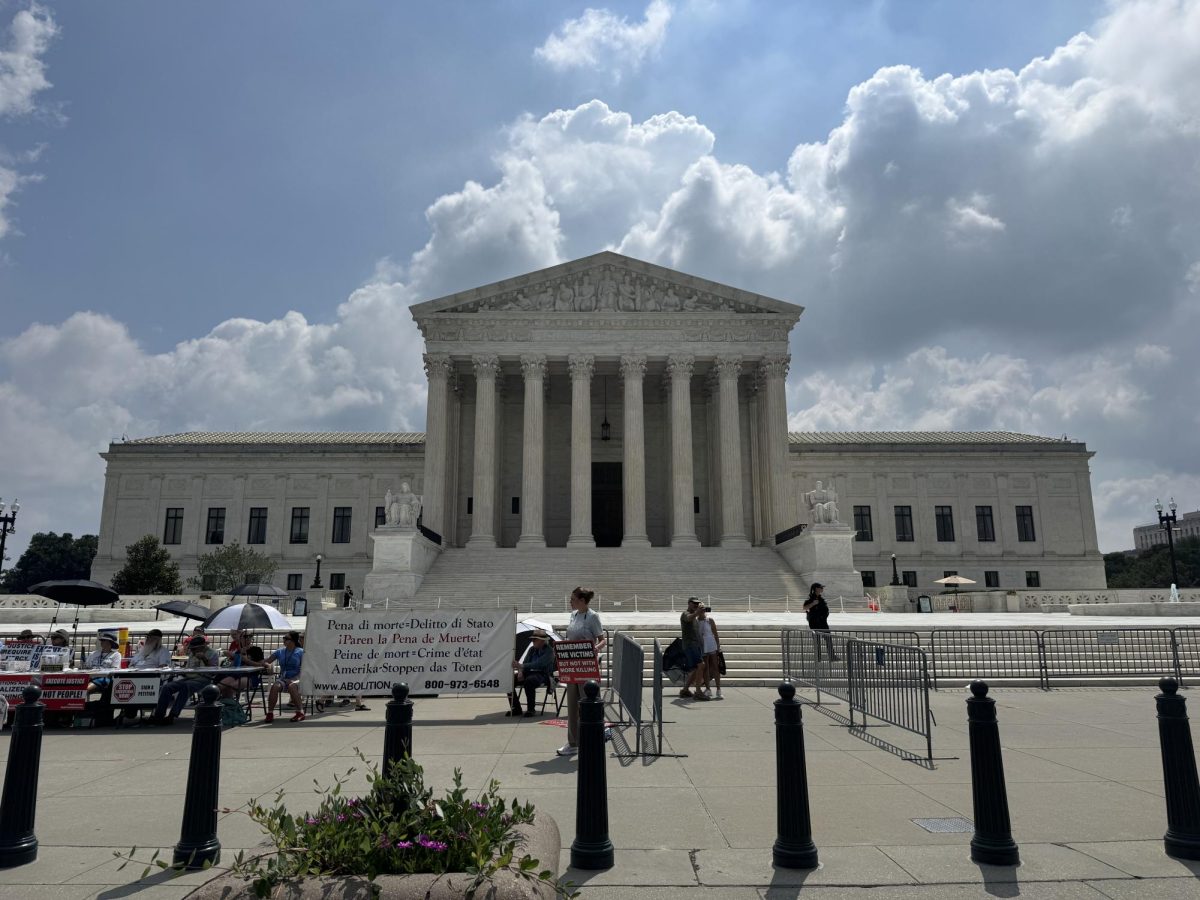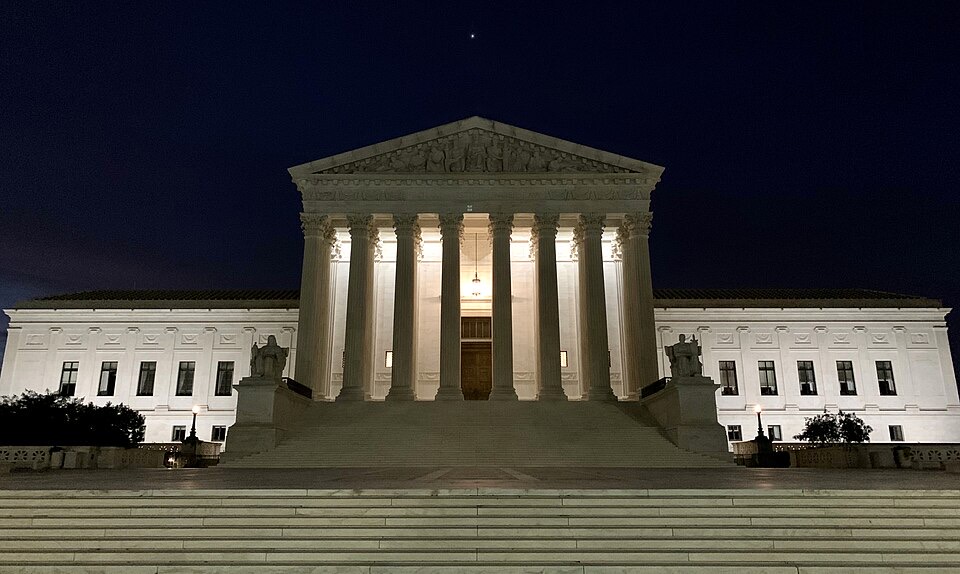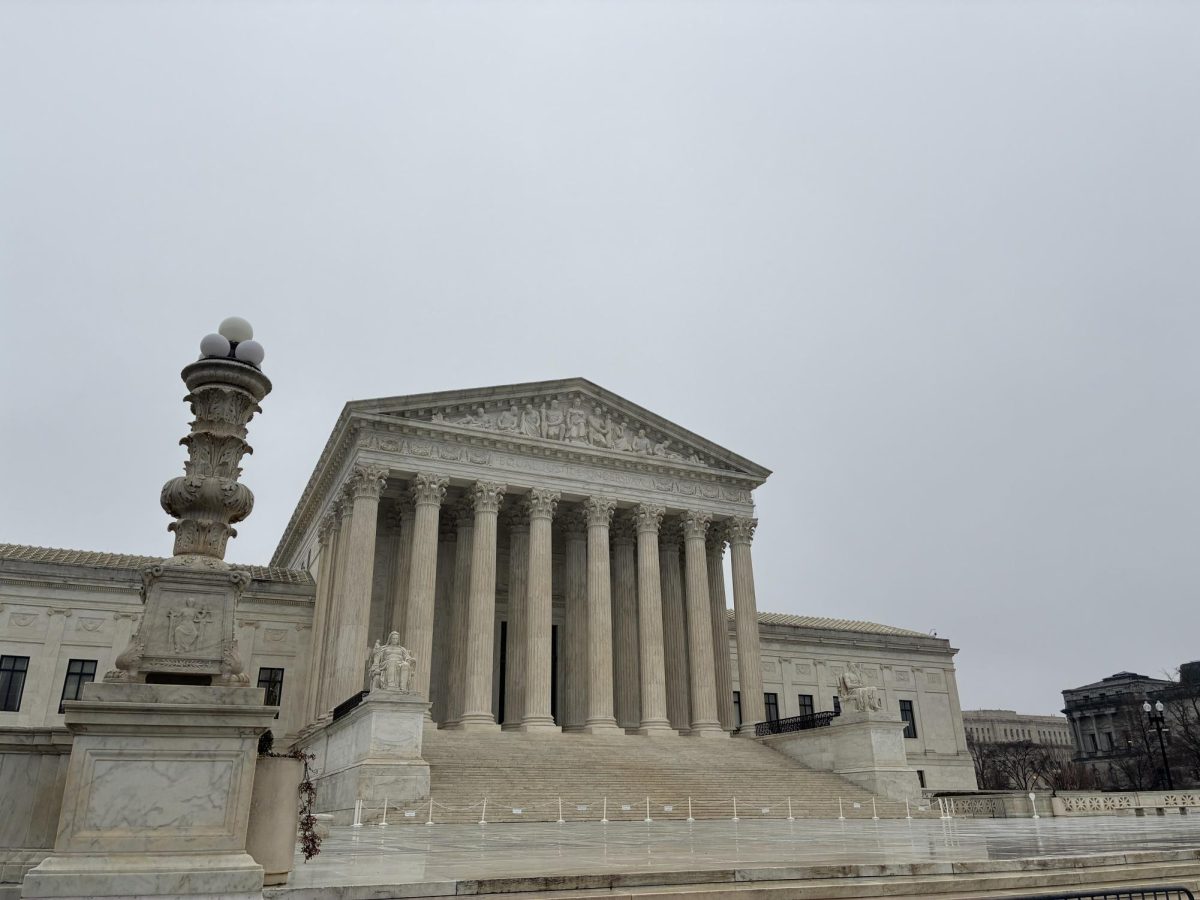
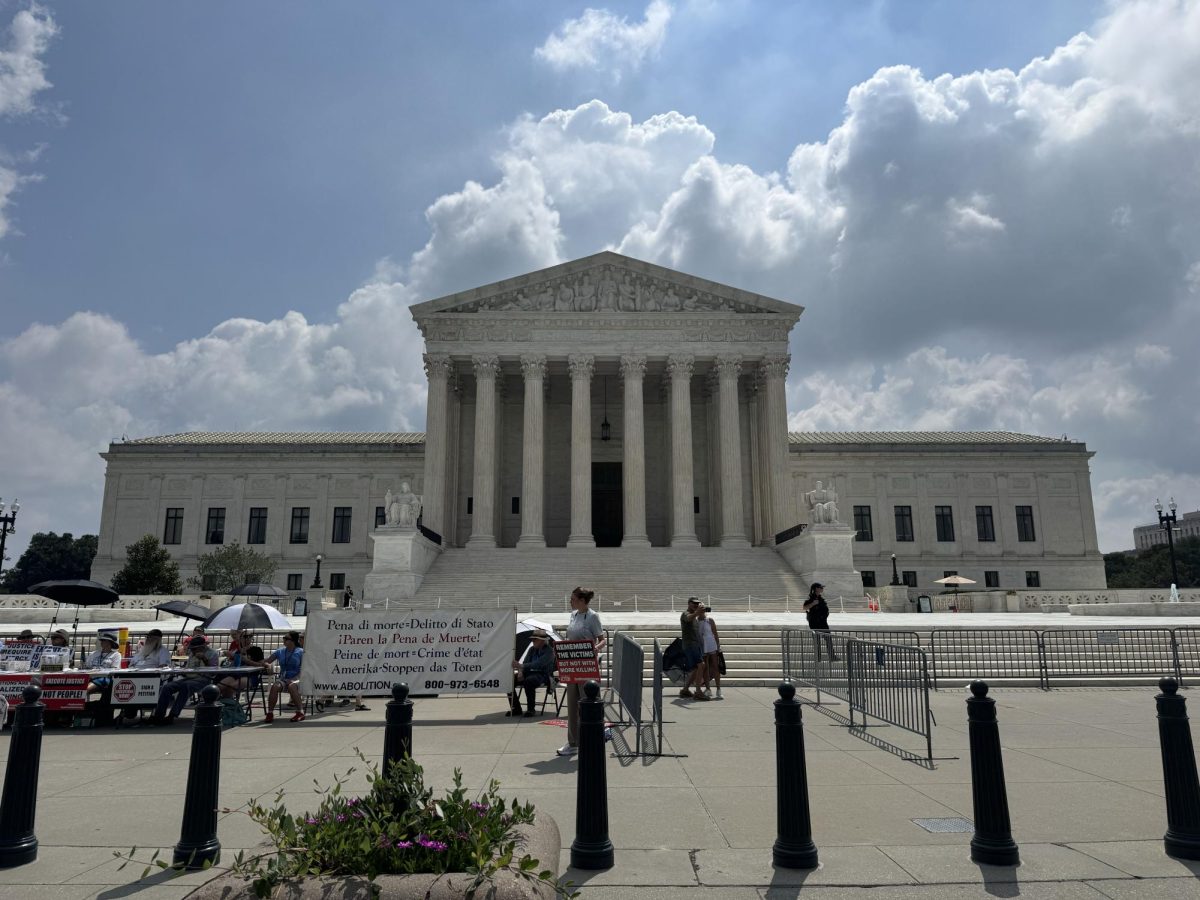
WASHINGTON — The Supreme Court ruled Monday that Federal Trade Commissioner Rebecca Slaughter can be fired by President Donald Trump without cause, while Federal Reserve Governor Lisa Cook cannot, a split outcome that reshapes how much control presidents hold over agencies long considered independent.
In Trump v. Slaughter, the court ruled 6-3 that the president can remove FTC commissioners at will, overturning the Supreme Court’s 1935 decision in Humphrey’s Executor v. United States which previously upheld removal protections for commissioners.
The case began when Trump fired Slaughter and fellow Democratic commissioner Alvaro Bedoya in March 2025 without citing cause, telling Slaughter her continued service was “inconsistent with [his] Administration’s priorities.”
Congress, in creating the FTC, established commissioners to be removed only for “inefficiency, neglect of duty, or malfeasance in office,” lower courts sided with Slaughter on that basis.
Chief Justice John Roberts, who authored both opinions, rejected that precedent, ruling the modern FTC wields executive power so its commissioners must answer to the president.
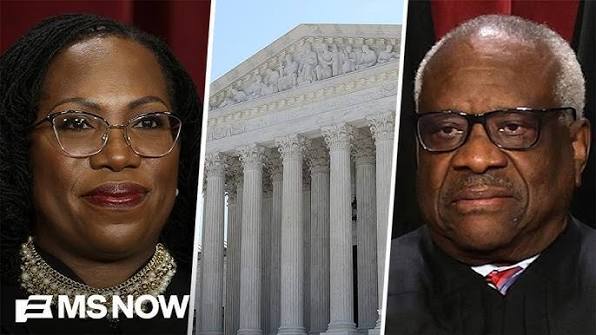
Justice Sonia Sotomayor, joined by Justices Elena Kagan and Ketanji Brown Jackson, read her dissent from the bench, warning the decision “reshapes our Government” and could let the president convert dozens of other independent commissions into agencies under his direct control.
With a 5-4 vote in Trump v. Cook, the court rejected the administration’s bid to remove Cook while her lawsuit proceeds, reinforcing a level of independence for the Federal Reserve from executive power.
Cook, the first Fed governor fired in the central bank’s 111-year history, was removed by Trump in August 2025 over mortgage fraud allegations which she denies.
In its argument the administration invoked the “unitary executive theory” which holds that the Constitution gives the president sole control over the executive branch, including the power to remove any official carrying out executive functions.
Applying this theory to the Fed, the administration claimed that by regulating banks and setting monetary policy, Fed officers engage in executive functions and are therefore subject to presidential removal at will, much like the FTC.
Roberts rejected this comparison, citing a long tradition of central bank independence and noting Congress gave Fed governors staggered 14-year terms specifically to insulate the board from any single administration. He also found Trump failed to give Cook the notice and opportunity to respond required before a for-cause removal.
Justices Clarence Thomas, Samuel Alito, Neil Gorsuch and Amy Coney Barrett dissented, with Thomas arguing Trump had sufficient cause to remove Cook under federal law and Barrett warning the ruling improperly restricts the president’s removal authority.
Gaylord News is a reporting project of the University of Oklahoma Gaylord College of Journalism and Mass Communication. For more stories by Gaylord News go to GaylordNews.net.