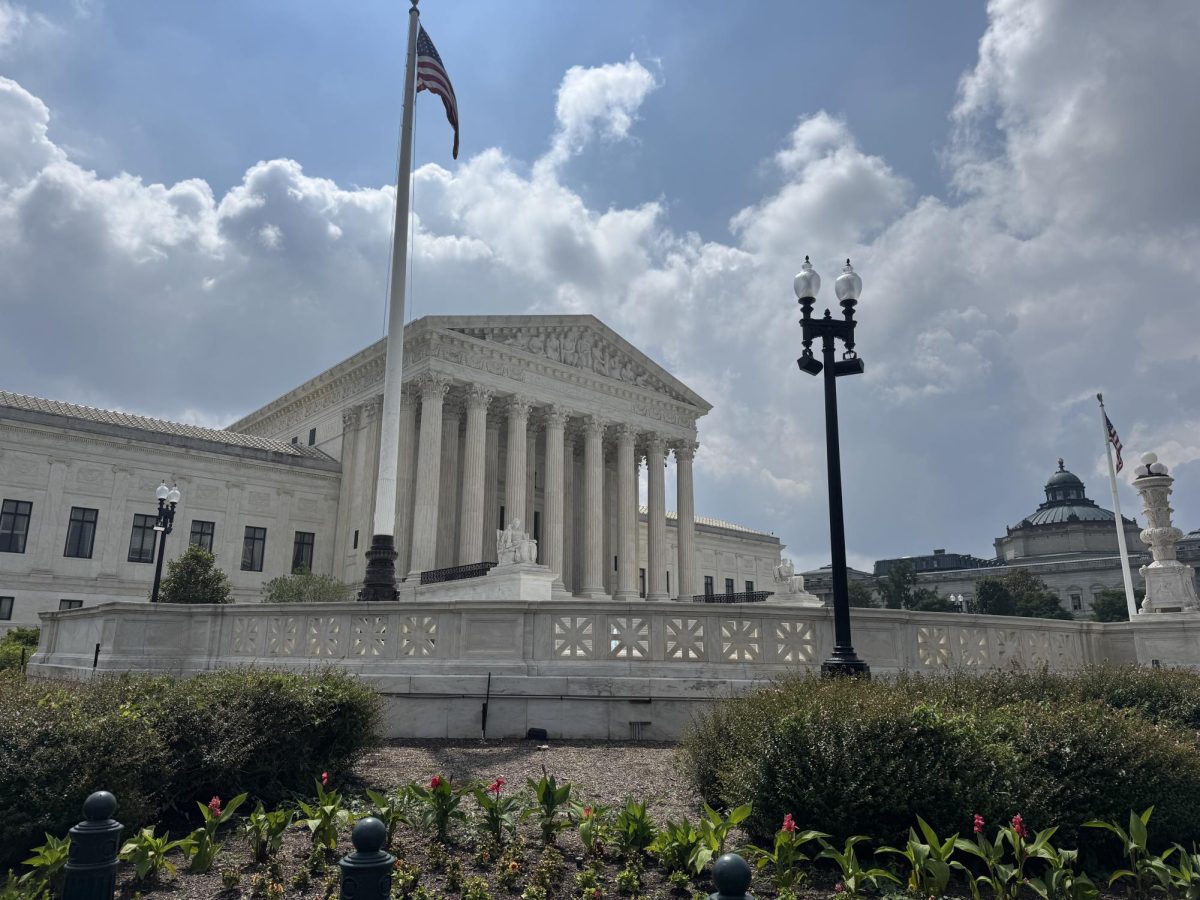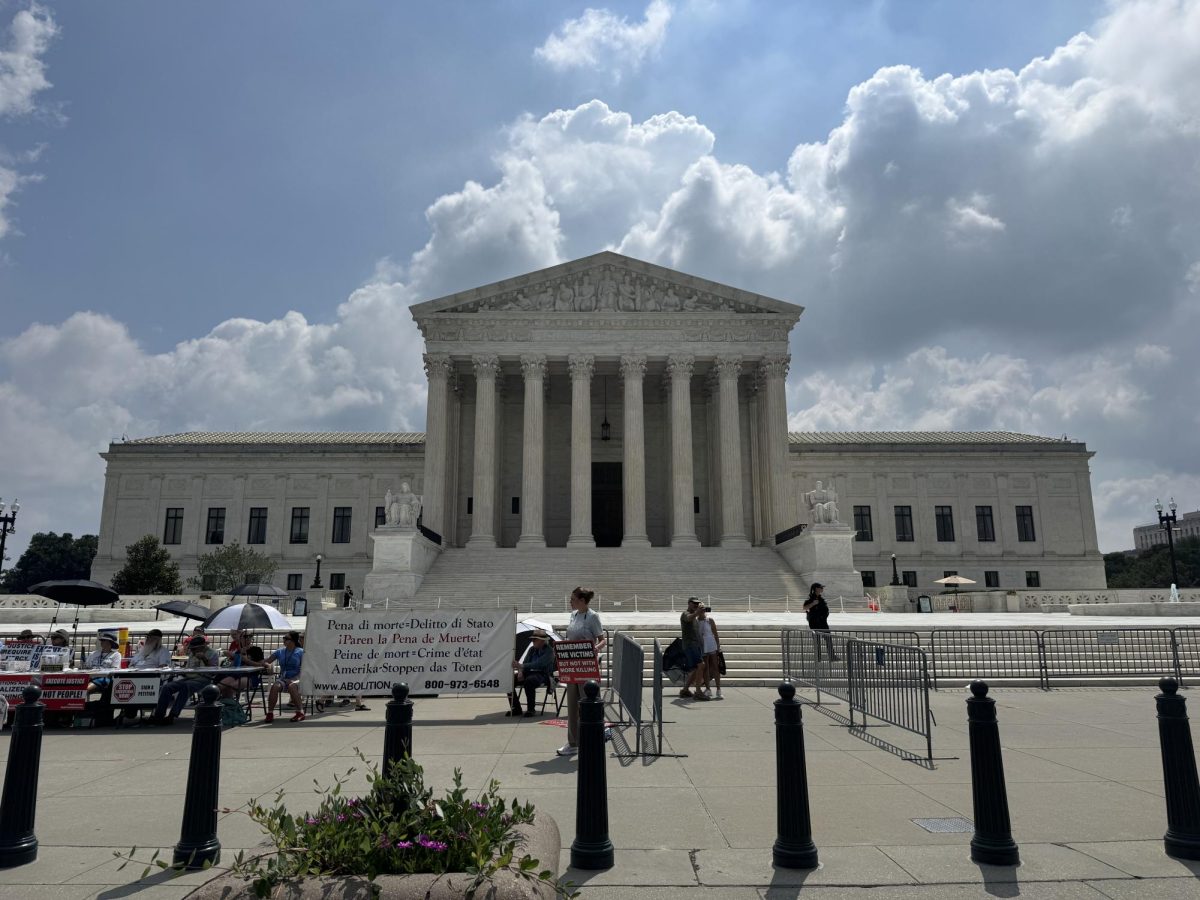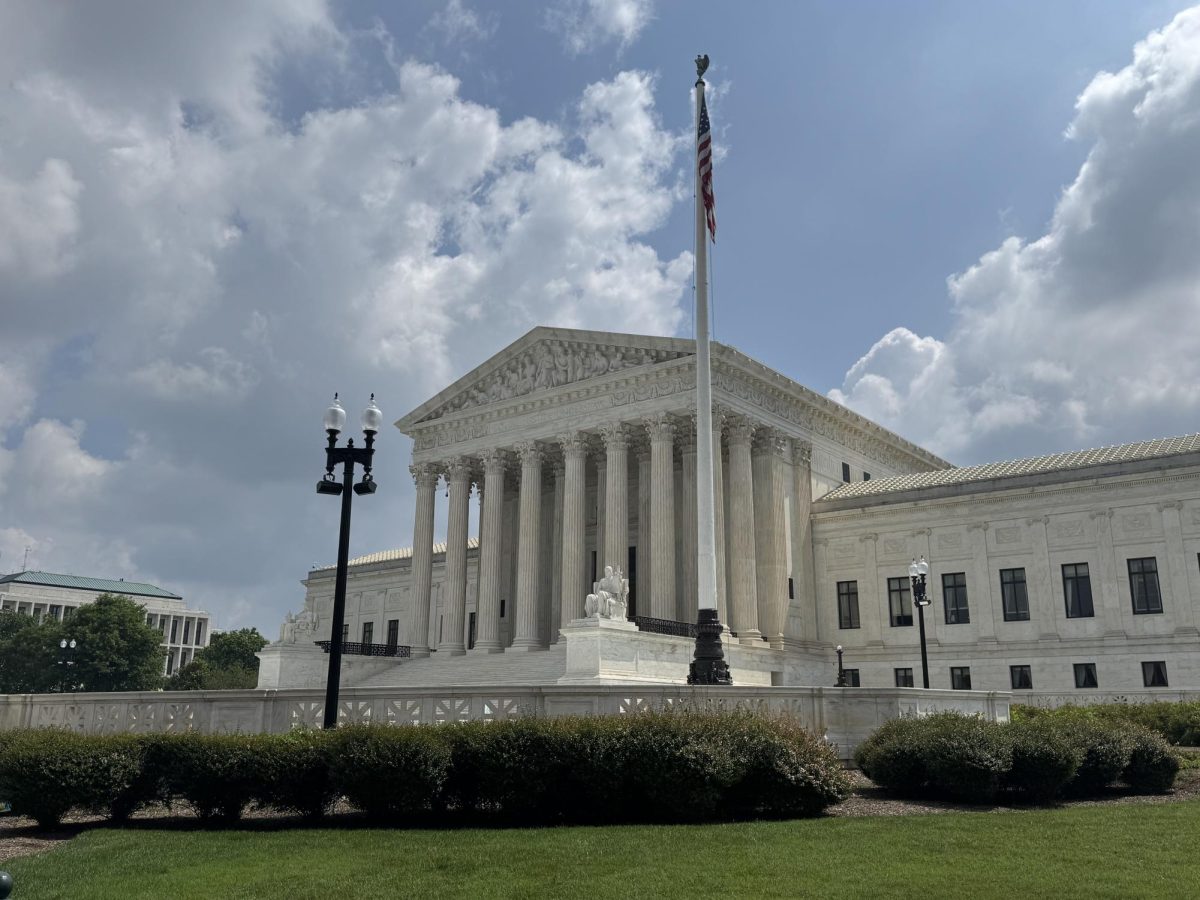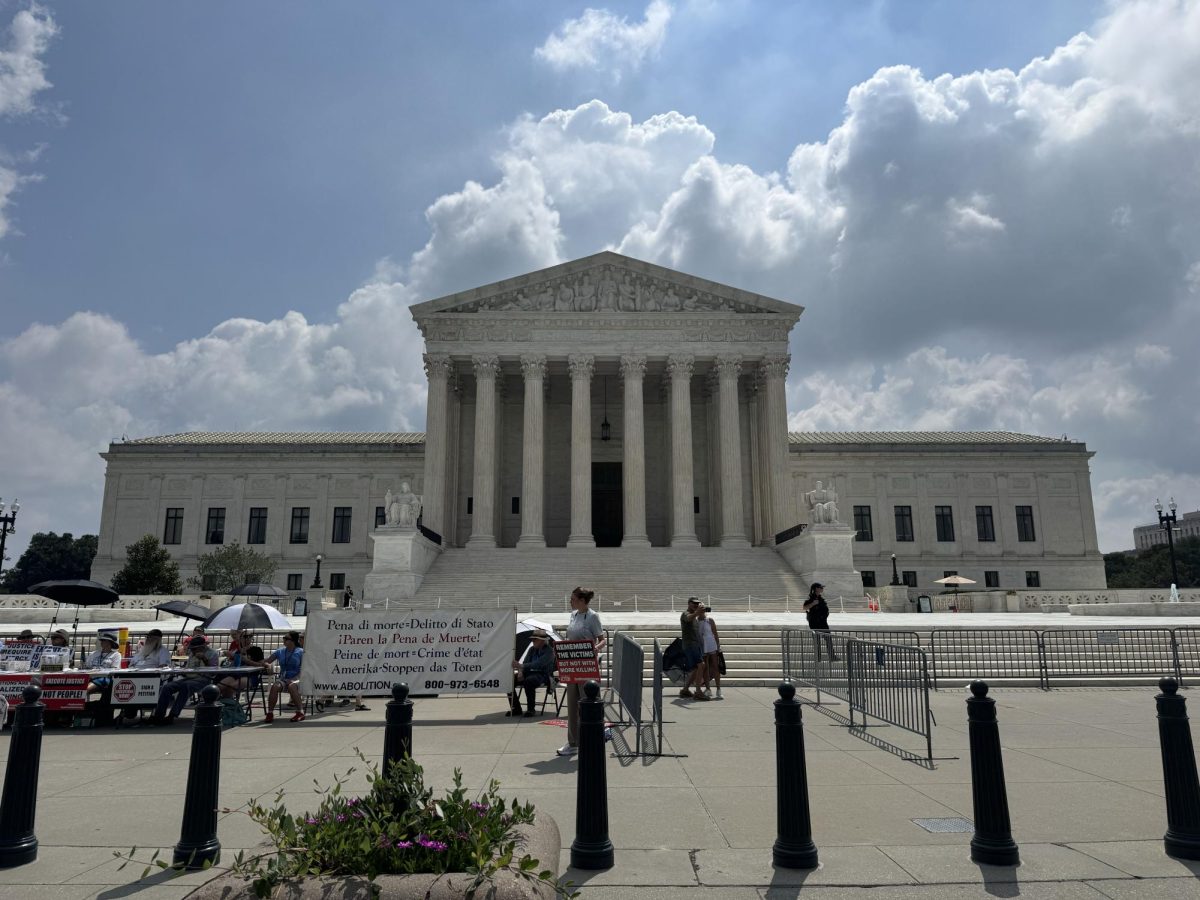
WASHINGTON — The Supreme Court heads into the final days of its term with eight opinions still outstanding, including decisions that could redefine the limits of presidential power, determine the future of birthright citizenship and resolve major disputes over transgender athletes and campaign finance.
It’s not unusual for the court to save its most divisive or consequential cases for last. The timeline of opinion forming and dissent response is often longer for bigger cases that require more writing.
What is unusual this year is how many major cases remain undecided at once. University of Michigan law professor Sam Erman told Reuters that the volume of blockbuster cases still pending this year is unusual.
So far, Chief Justice John Roberts has written three opinions, among the fewest of any justice this term, leaving him likely to author several remaining decisions. Justices Brett Kavanaugh and Elena Kagan are also behind other justices in opinion writing this term, a factor that could shape who will write for the remaining cases.
Birthright citizenship looms largest
Among the most anticipated remaining cases is Trump v. Barbara, a challenge to one of the Trump administration’s first and most aggressive immigration actions.
An executive order signed on Trump’s first day back in office sought to end automatic citizenship for children born on U.S. soil to parents who are undocumented or are in the country temporarily.
The order departs from more than 150 years of legal understanding that nearly anyone born on U.S. soil automatically becomes a citizen under the 14th Amendment. Every lower court to consider the order has blocked it from taking effect.
The administration argues the phrase “subject to the jurisdiction” of the United States was never intended to include children whose parents have no permanent legal connection to the country.
Trump became the first sitting president to attend a Supreme Court oral argument when the case was heard in April, underscoring the administration’s focus on the issue. Separately, Trump has argued the order is necessary to prevent what he calls “birth tourism.”
SCOTUSblog contributor Adam Feldman, who studies oral argument data, found the justices generally appeared skeptical of the administration’s position. He said Justices Clarence Thomas and Samuel Alito appeared most sympathetic to the administration’s arguments, while Justice Amy Coney Barrett emerged as a possible swing vote.
Roberts has been closely watched for potentially authoring the Barbara opinion after appearing skeptical of the administration during oral argument.
Independent agencies and the Federal Reserve
Another group of pending cases asks how much authority a president has over the federal government’s independent agencies, which Congress designed to operate with a degree of independence from presidential control.
Trump v. Slaughter centers on Trump’s firing of Federal Trade Commissioner Rebecca Slaughter despite a federal law that only allows commissioners to be removed for cause, such as neglect of duty or misconduct.
The law was intended to insulate FTC commissioners from being removed simply because a president disagrees with their policy views.
The case directly challenges Humphrey’s Executor v. United States, a 90-year-old precedent that has long protected commissioners at agencies such as the FTC from being removed because a president wants to replace them.
Overturning that precedent would mark a major expansion of the “unitary executive theory” of presidential power, the idea that the Constitution gives the president broad control over the executive branch, including the ability to remove agency officials.
A related case, Trump v. Cook, involves the Federal Reserve after Trump moved to fire Federal Reserve Gov. Lisa Cook over mortgage fraud allegations which she disputes.
The Federal Reserve has historically been treated as especially insulated from Presidential influence because of its role in setting interest rates and monetary policy. The court temporarily blocked Cook’s removal while litigation proceeds, even as it allowed Slaughter’s firing to remain in effect.
Transgender athletes
Little v. Hecox and West Virginia v. B.P.J. ask whether state laws barring transgender girls and women from school sports violate Title IX or the Constitution’s equal protection clause.
Idaho and West Virginia enacted their laws in 2020 and 2021. Twenty-seven states now have similar laws, including Oklahoma’s 2022 Save Women’s Sports Act, any such law could be affected by rulings in either case.
The cases are part of a broader legal dispute over how courts should evaluate laws that single out transgender individuals. Last year, the Supreme Court ruled that a Tennessee law restricting gender affirming care for minors did not require heightened judicial scrutiny because it regulated age and medical treatment rather than transgender status directly.
The athletes now challenging these laws argue sports bans are different because they explicitly exclude transgender athletes. Several justices appeared inclined during oral arguments to uphold the bans, though the court also considered whether Hecox’s case should be dismissed after she sought to withdraw from the litigation.
Campaign finance and elections
National Republican Senatorial Committee v. Federal Election Commission challenges federal limits on how much political parties may spend in coordination with their own candidates, restrictions that have existed since the 2002 Bipartisan Campaign Reform Act.
Supporters of those limits argue striking them down would allow wealthy donors to channel effectively unlimited money to favored candidates through party committees. A ruling loosening the restrictions could reshape how national party committees finance Senate campaigns, including future races in Oklahoma.
Separately, Watson v. Republican National Committee asks whether states may count mail ballots that arrive after Election Day if they were postmarked on time, a practice currently used in many states for military and overseas voters. The case follows years of Republican led legal challenges to mail voting after the 2020 election amid claims of fraud.
President Trump has long argued that ballots counted after polls close on Election Day allow officials to add votes after the fact, pointing to mail ballots processed past midnight on Election Day in 2020 as evidence he lost unfairly. Courts have rejected those claims in multiple lawsuits.
The question of whether ballots must arrive by Election Day or merely be postmarked by then is now before the court in Watson v. RNC.
Supreme Court terms often end in a rush of opinions, but this year’s remaining cases stand out for their controversial content and deeper ties to administrative goals. Decisions in the remaining cases could reshape presidential power, immigration policy, transgender rights and election law.
The court’s next scheduled nonargument session, when opinions may be released, is Monday, June 29. With eight cases still outstanding, the justices will likely need at least one additional opinion day before the term concludes.
Gaylord News is a reporting project of the University of Oklahoma Gaylord College of Journalism and Mass Communication. For more stories by Gaylord News go to GaylordNews.net.