
By Emma Rowland
Gaylord News
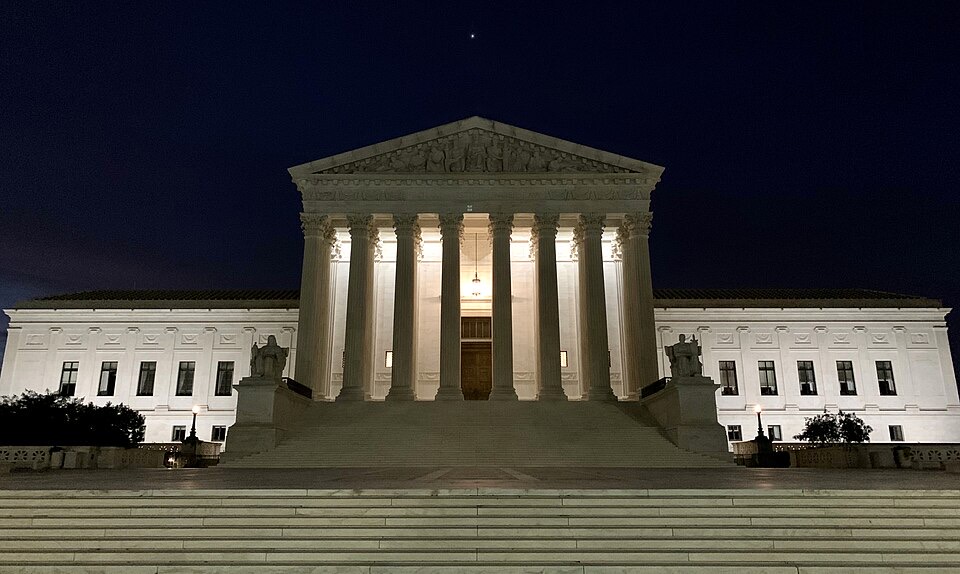
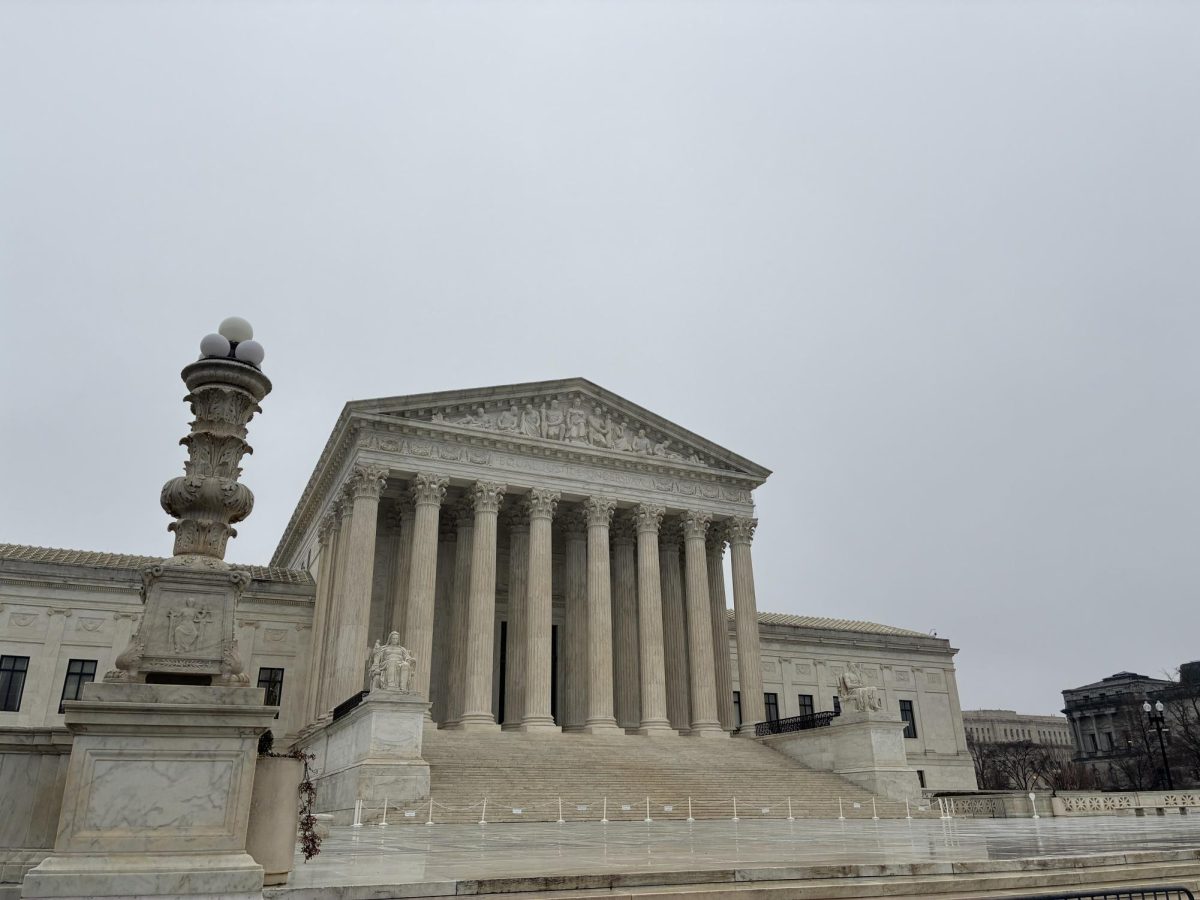
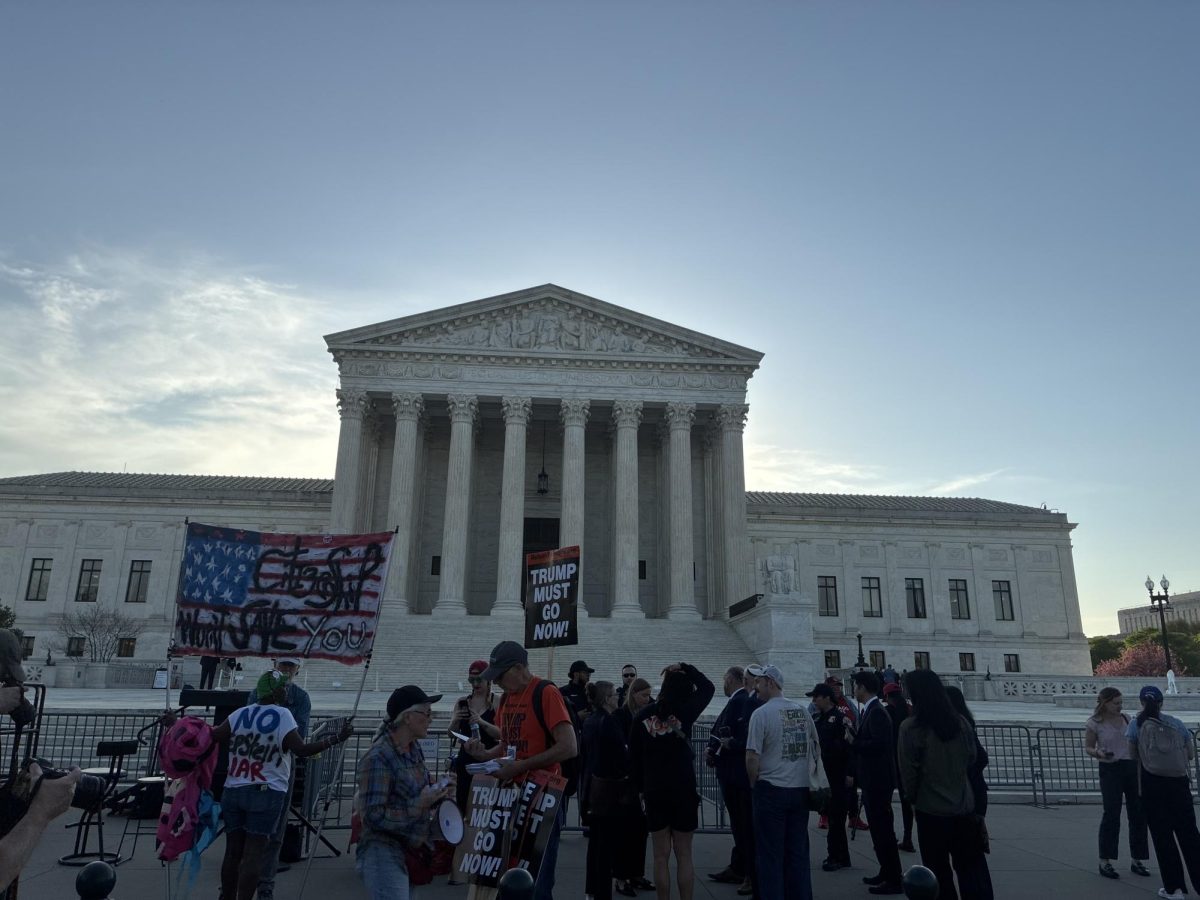
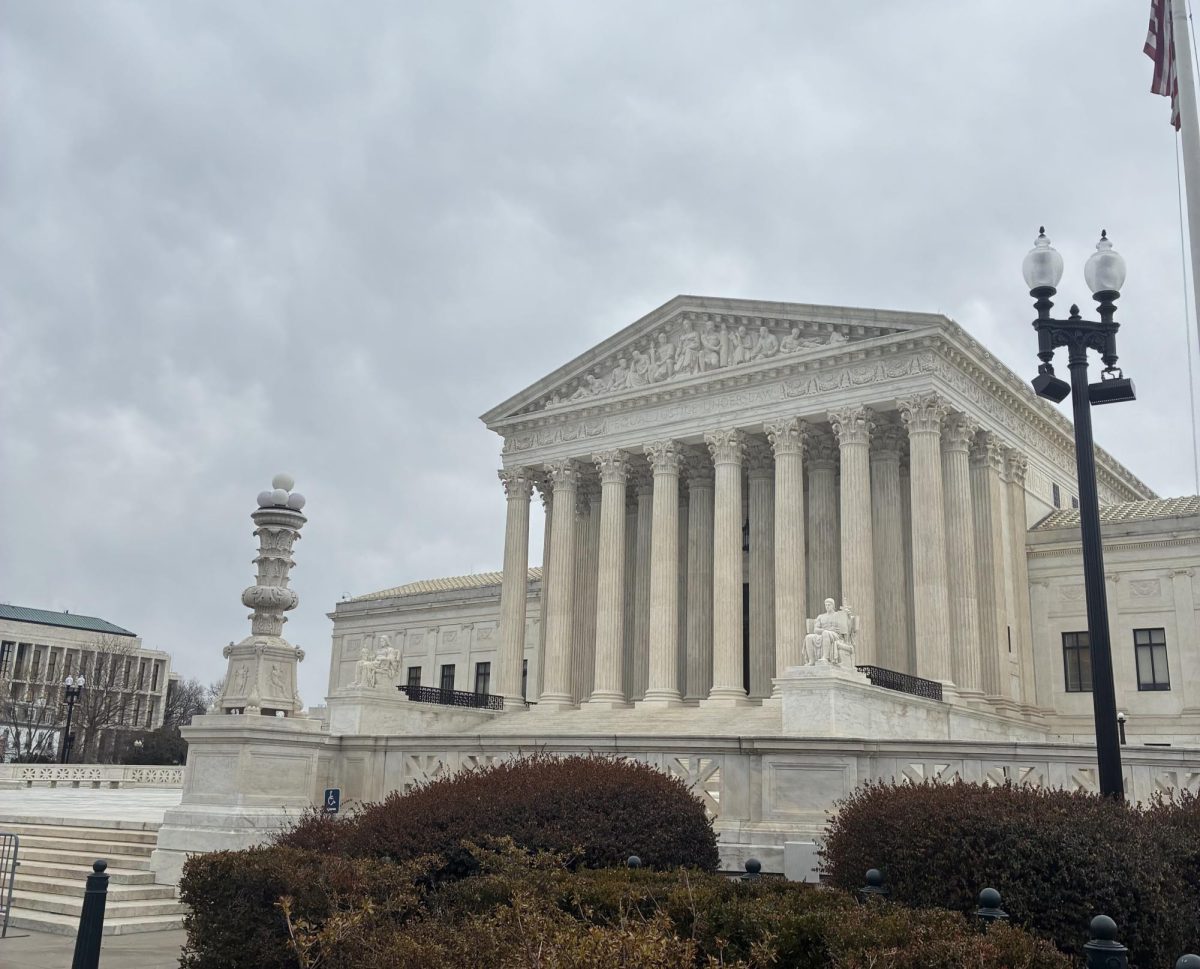
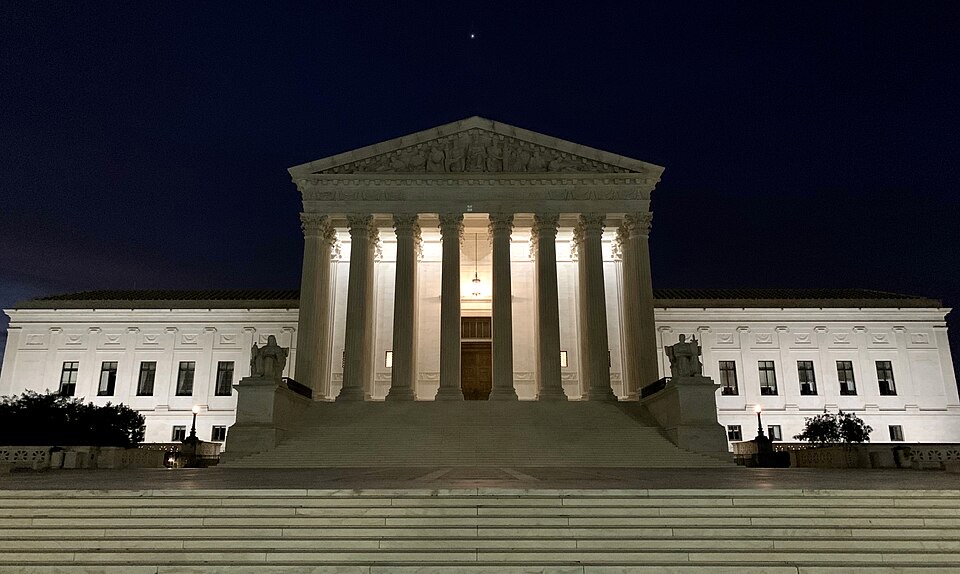
The U.S. Supreme Court will decide this term on the legality of President Trump’s Birthright Citizenship Executive Order.
Trump issued an Executive Order on Jan. 20, the first day in his second term, that could narrow the meaning of birthright citizenship. In the petition for the Supreme Court to hear the case, filed on September 25, 2025, the Department of Justice stated that the order “restores the original meaning of the Citizenship Clause and provides, on a prospective basis only, that children of temporary visitors and illegal aliens are not U.S. citizens by birth.”
But the order disrupted an 1898 Supreme Court decision that a child born in the U.S. is a citizen, according to lawyers representing families.
At stake is the citizenship of thousands of children if the Court upholds the Executive Order that children born in the U.S. to a mother who is “unlawfully present” or temporarily present, and a father who is not a U.S. citizen or lawful permanent resident, would not automatically receive U.S. citizenship at birth.
Families nationwide, especially those now in the final stages of obtaining citizenship, could face legal uncertainty and fear of deportation for U.S.-born children.
Shortly after Trump’s order was issued, a federal judge in Maryland imposed a nationwide injunction, stating that “the executive order conflicts with the plain language of the 14th Amendment, contradicts 125-year-old binding Supreme Court precedent and runs counter to our nation’s 250-year history of citizenship by birth.”
But the order has been paused by action of a second court that certified a nationwide class action lawsuit, the manner in which the Court said nationwide orders could be obtained.
The case before the Court, Barbara v. Trump, was filed on June 27, 2025, in the U.S. District Court for the District of New Hampshire. One plaintiff, a Honduran mother of three with a pending USCIS application and a husband who is not a U.S. citizen or lawful permanent resident, is expecting a fourth child and fears the child will be denied U.S. citizenship. Two other plaintiffs, also in the process of applying for lawful status, have children or are expecting children and fear for their future.
In the lawsuit, the plaintiffs cite United States v. Wong Kim Ark, an 1898 Supreme Court case that confirmed “children born in the United States of noncitizen parents are citizens under the Fourteenth Amendment’s Citizenship Clause.”
The plaintiffs allege that the Executive Order violates the Citizenship Clause, the federal birthright citizenship statute, and the Administrative Procedure Act because agencies implementing it are acting “beyond their legal authority.”
In the Department of Justice petition, officials noted that during congressional debates over the Fourteenth Amendment in 1866, “lawmakers agreed that the Citizenship Clause would not extend U.S. citizenship to a person who ‘is born here of parents from abroad temporarily in this country.’”
The justice department petition further discusses Wong Kim Ark, stating the ruling did not extend U.S. citizenship to “children of aliens who are not ‘permitted by the United States to reside here.’”
The Trump Administration is now asking the Court to determine whether the Executive Order “complies on its face” with the Citizenship Clause of the Fourteenth Amendment and the federal birthright-citizenship statute.
If the Court strikes down the order, the preliminary injunction issued by the District Court would likely become permanent, reinforcing the principle of jus soli, or citizenship by birth, in U.S. law.
Gaylord News is a reporting project of the University of Oklahoma Gaylord College of Journalism and Mass Communication. For more stories by Gaylord News go to GaylordNews.net.