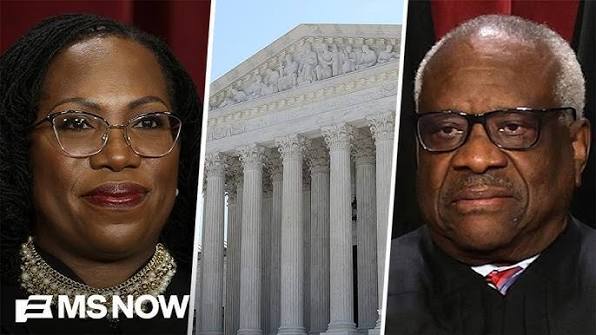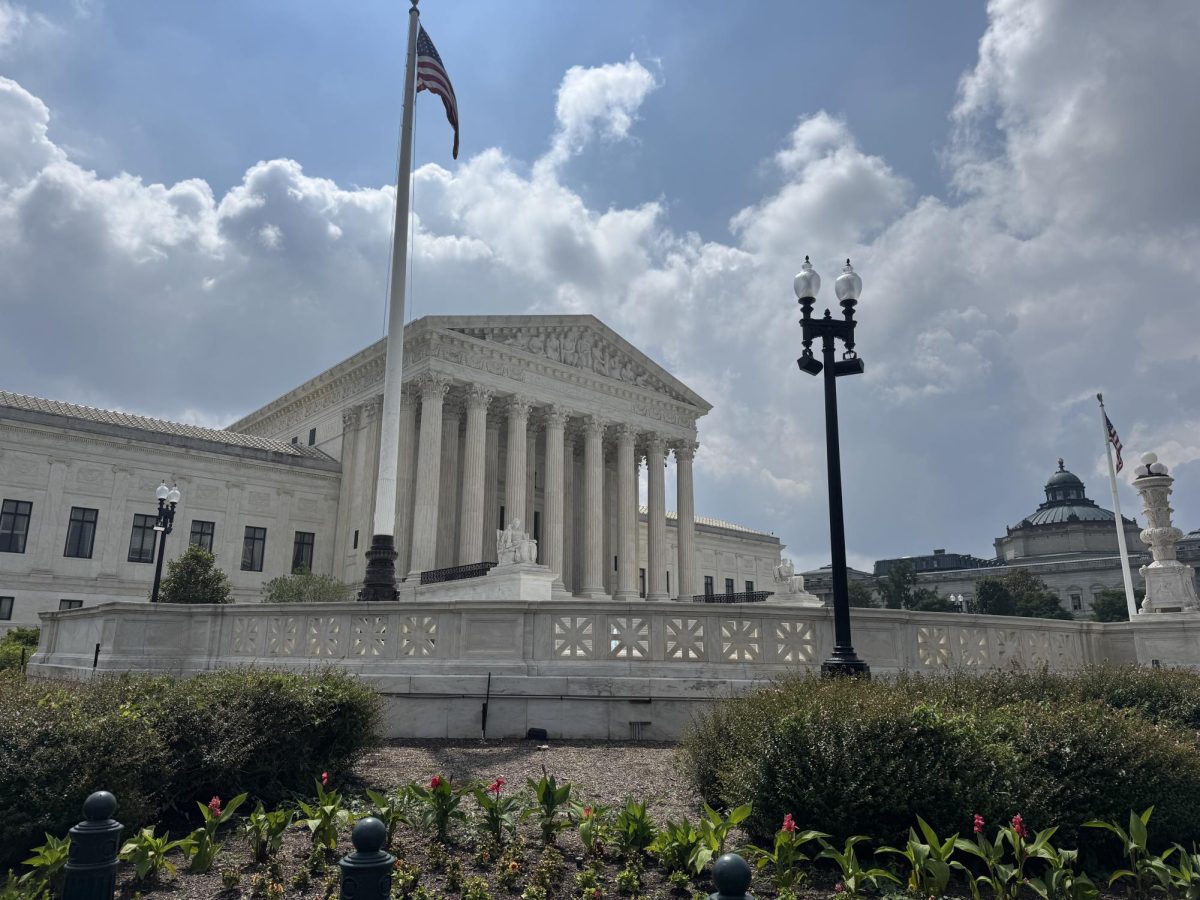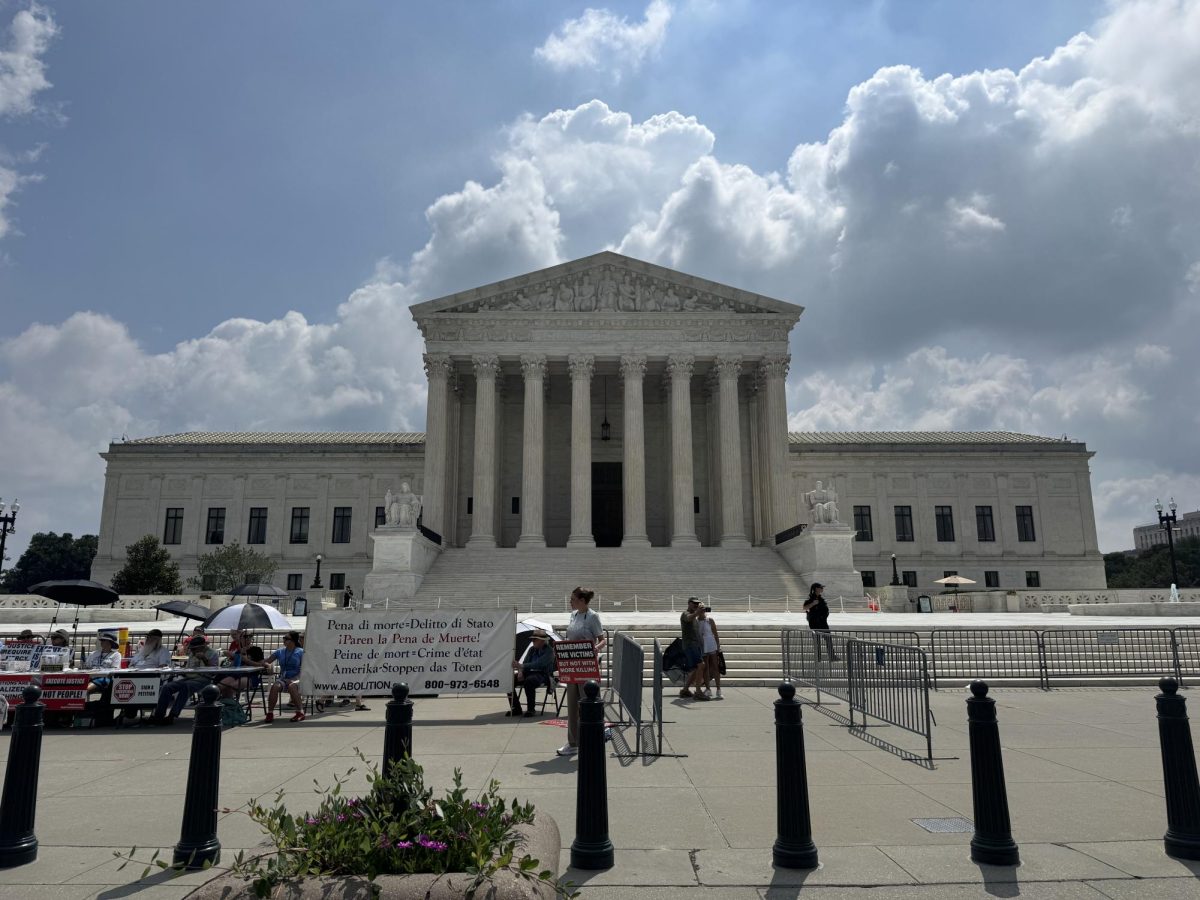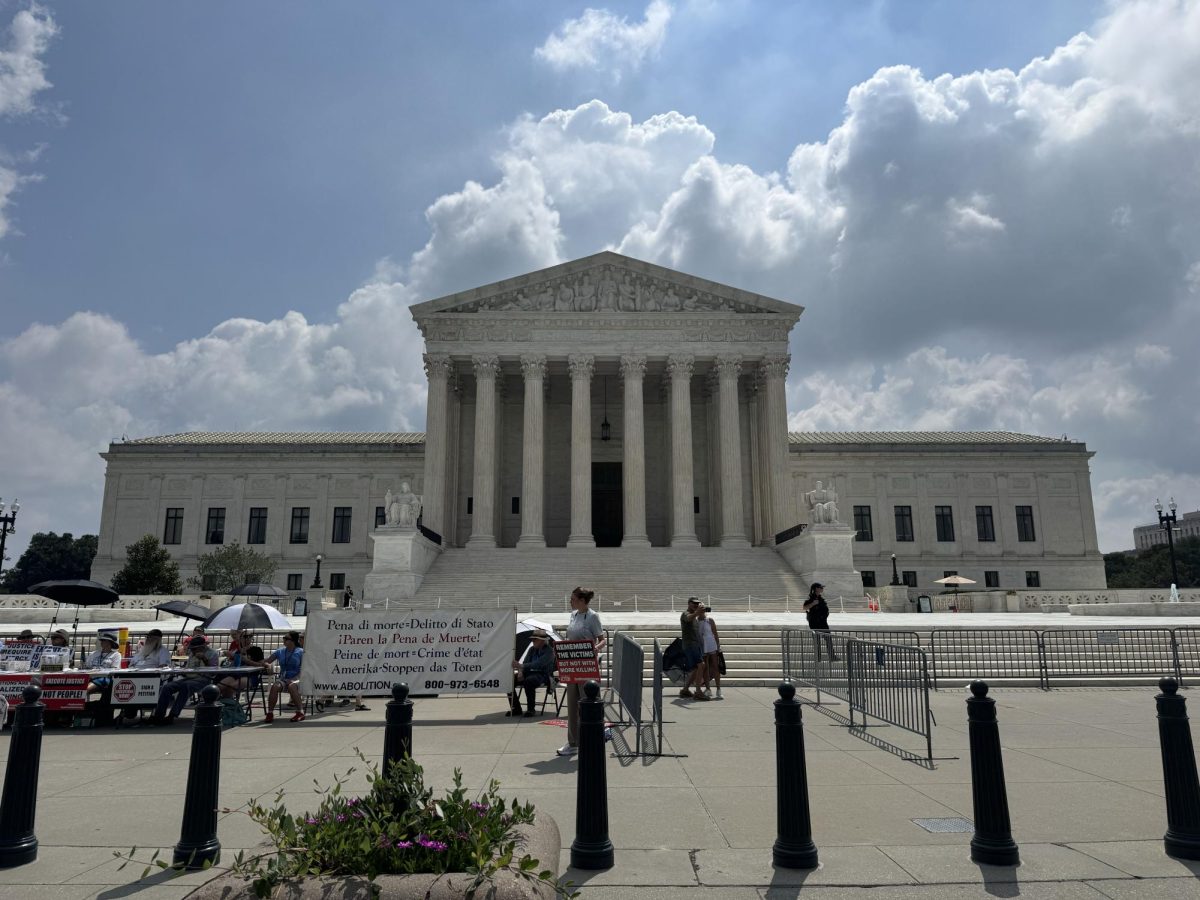
OKLAHOMA CITY- A U.S. The Supreme Court ruling in a Hawaii Second Amendment case could reshape Oklahoma’s gun laws by determining whether states may prohibit firearms on private property open to the public unless owners expressly allow them.
At issue in Wolford v. Lopez is whether Hawaii’s “opt-in” default, which makes it illegal to carry a firearm onto most private property open to the public unless the owner gives explicit permission, violates the Second Amendment.
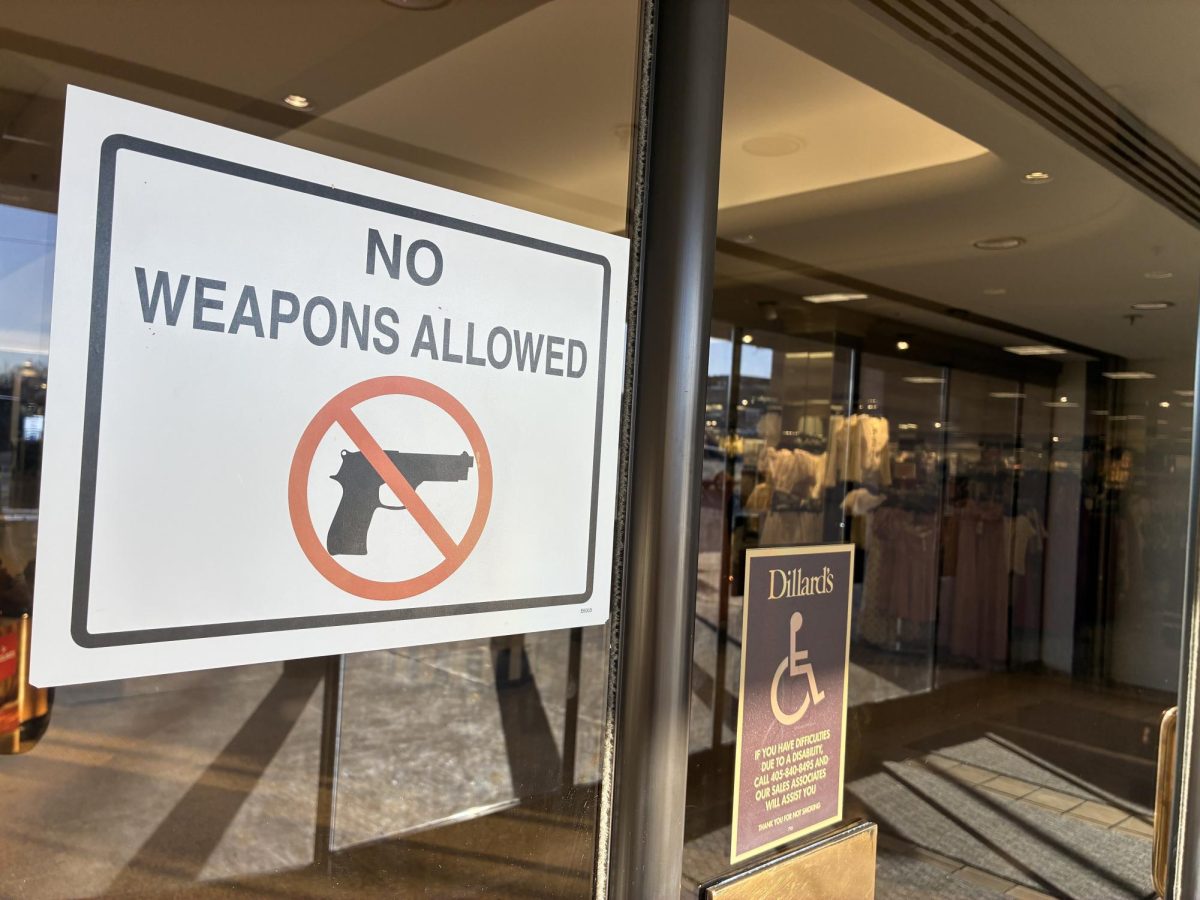
Oklahoma operates under the opposite framework. The state is a constitutional carry state, meaning property owners must opt out of allowing firearms, typically by posting signage or providing clear notice.
The state law further states that nothing in the act limits the existing rights of property owners, tenants, employers, liquor stores, places of worship or business entities to control the possession of weapons on property they own or control. If the property is open to the public, owners who wish to prohibit firearms must post signs stating the prohibition.
Hawaii’s law flips that presumption; prohibiting firearms on public-facing private property unless the owner affirmatively allows carry.
The court’s ruling could determine whether states like Oklahoma may continue operating under a default carry framework, or whether that model becomes the next constitutional battleground.
Terry Thompson, director of operations for Oklahoma Second Amendment Association, known as OK2A, said the case is significant for gun owners.
“They are just trying to get the citizens of Hawaii their natural, God-given constitutional Second Amendment right,” Thompson said.
“One of the arguments we use on a regular basis for defense against crime, criminals, and violence is the primary reason the Founding Fathers put the Second Amendment in the Constitution, so that citizens are armed to fight against a tyrannical government.”
“To us, every time the government or a group tries to take away our Second Amendment rights, that’s their ultimate goal. They want to subject us,” he said.
OK2A advocates for pro-Second Amendment legislation and focuses on research and education about gun rights in Oklahoma.
One measure the group advocates for this session is House Bill 3036, authored by Rep. Jim Shaw, R-Chandler. The bill would amend state law governing where firearms may be carried. It would remove a provision prohibiting concealed or unconcealed carry in buildings or office space owned or leased by a city, town, county, or state government for conducting business with the public. The bill would restrict carry in publicly owned facilities providing substance abuse or mental health services.
In a statement, Shaw emphasized the importance of protecting constitutional rights.
“We also have a commitment to protecting our God-given constitutional rights while maintaining appropriate safeguards and accountability in public service,” Shaw said.
At the Supreme Court during last month’s oral arguments, San Diego attorney Alan Beck said the court’s 2022 decision in New York State Rifle & Pistol Association v. Bruen protects the right to publicly carry firearms.
Under Buren, courts apply a two-step framework when analyzing Second Amendment challenges. First, courts ask whether the Second Amendment’s text covers the conduct at issue. Second, they determine whether the law is consistent with the nation’s historical tradition of firearm regulation.
Beck argued Hawaii’s default ban violated the Second Amendment because historically, individuals were permitted to carry firearms on private property open to the public unless explicitly prohibited.
Justice Sonia Sotomayor suggested the issue may be one of property law rather than the Second Amendment.
“You can’t enter private property without consent, so the law just reflects property rights,” Sotomayor said, adding that carrying a firearm onto private property without permission could be considered trespassing.
“You can’t create a Second Amendment right that surpasses basic property law,” she said.
Oklahoma’s opt-out system reflects longstanding property principles of implied consent and the right to exclude, while Hawaii’s opt-in default shifts the burden to gun owners to obtain express permission. Whether that shift implicates the Second Amendment under Bruen is central to the case.
A ruling in favor of Hawaii would not immediately change Oklahoma law. However, legal challenges could emerge seeking to narrow Oklahoma’s default carry framework, particularly if the court upholds Hawaii’s authority to require express consent.
Arguing on behalf of the federal government, Department of Justice attorney Sarah Harris urged the justices to examine whether Hawaii’s statute genuinely protects property rights or effectively eliminates public carry.
“When you’re looking for a historical tradition that justifies an exception to the textually expressed right, it’s got to be a deeply rooted tradition broadly consistent over time among a lot of states,” Kavanaugh said. “And you don’t have anything like that here.”
“The Constitution protects the right to keep and bear arms. It doesn’t create implied consent to bring those arms onto another’s property,” Neal Katyal, an attorney representing Hawaii, said.
He argued there is no historical support for the idea that the Second Amendment grants an automatic right to carry firearms onto private property absent the owner’s permission.
Katyal added that while the Second Amendment applies uniformly across the country, states retain flexibility in defining property-law concepts such as consent.
Amicus briefs have been filed by groups including the National Association for Gun Rights, Second Amendment Foundation and Firearms Policy Coalition.
With the first opinions of the term expected as early as Friday, Feb. 18, a decision in the case could be issued within the next four months.
Gaylord News is a reporting project of the University of Oklahoma Gaylord College of Journalism and Mass Communication. For more stories by Gaylord News go to GaylordNews.net.