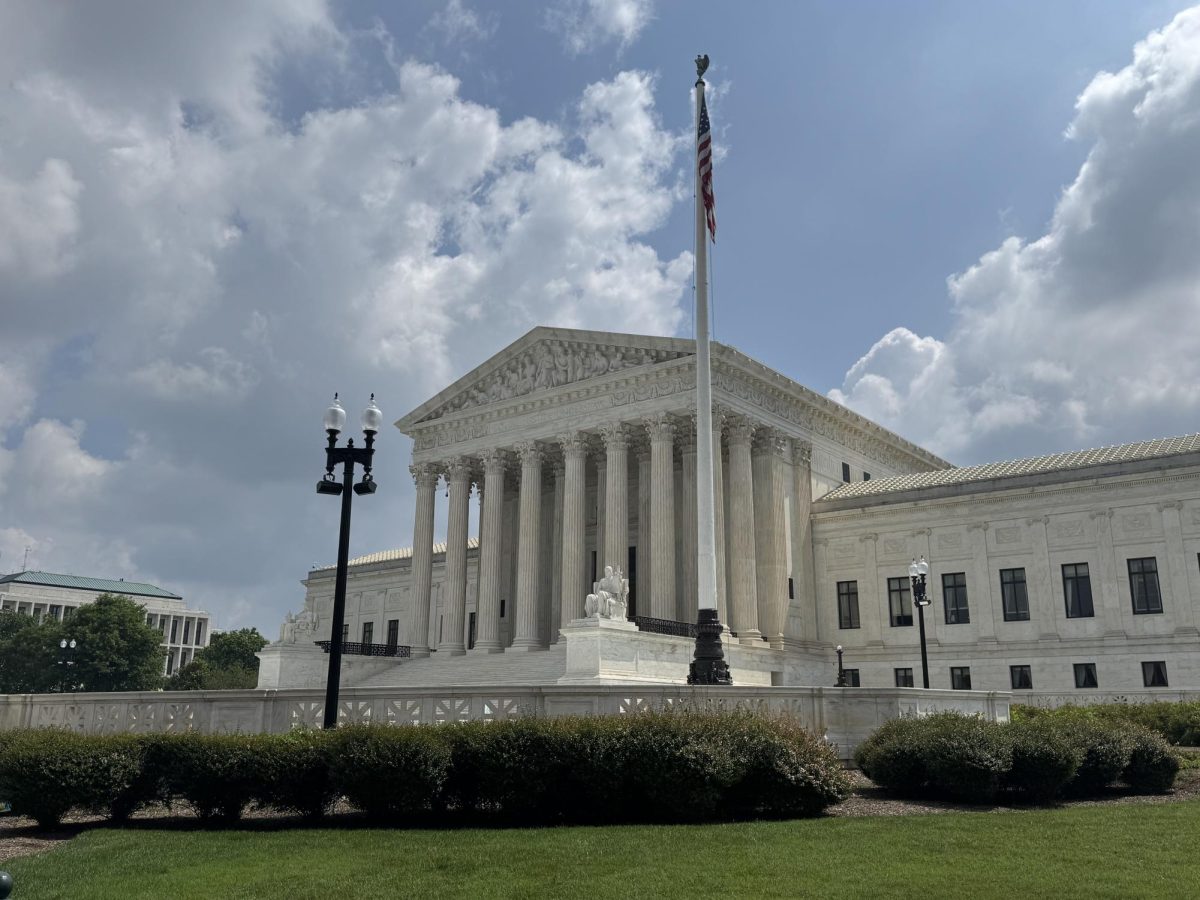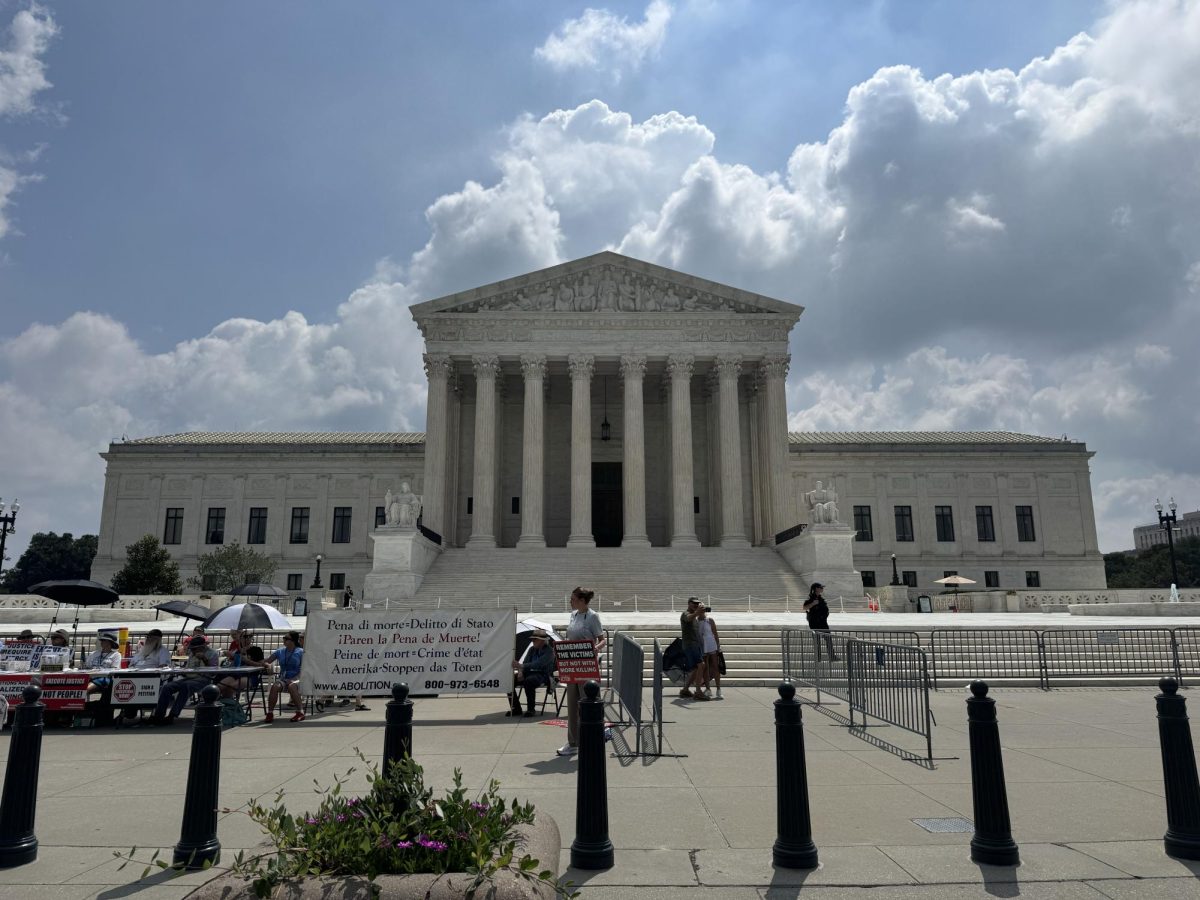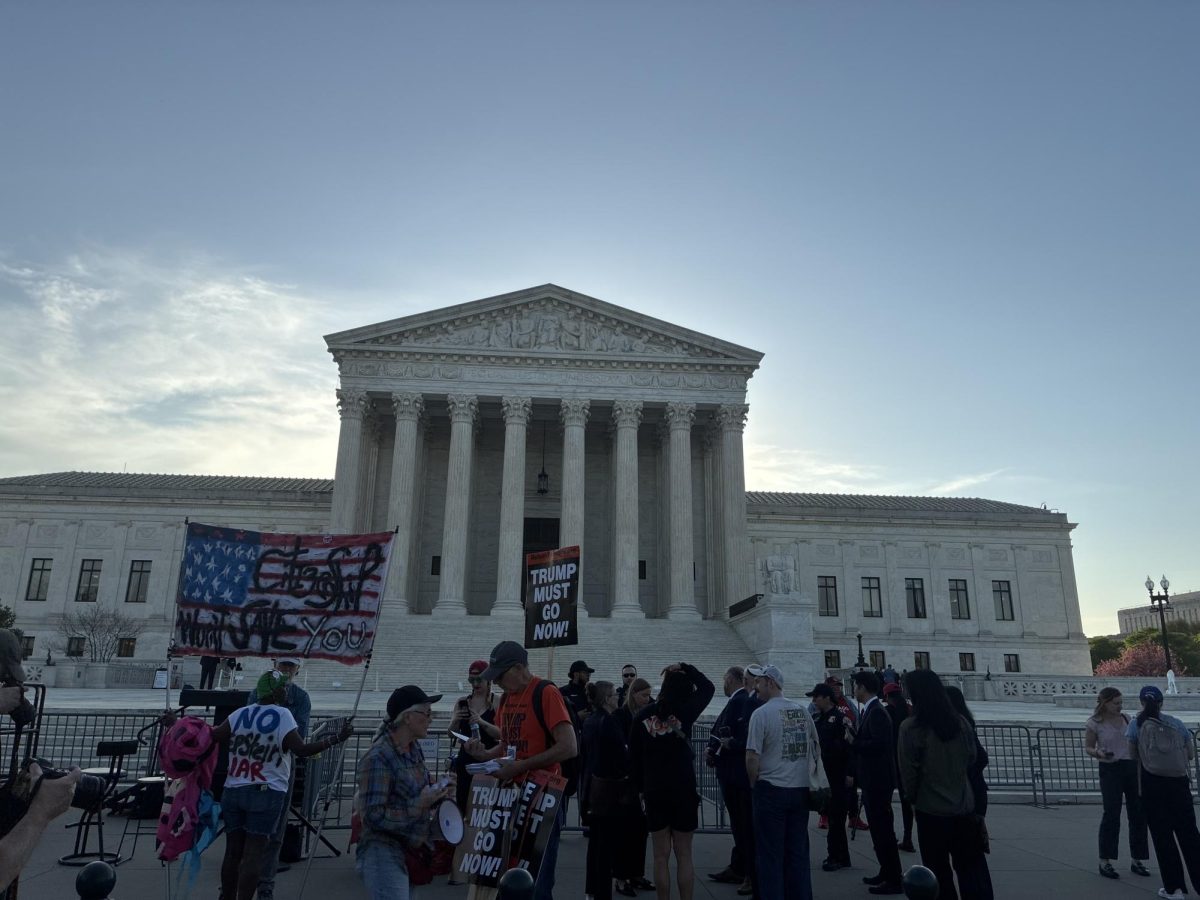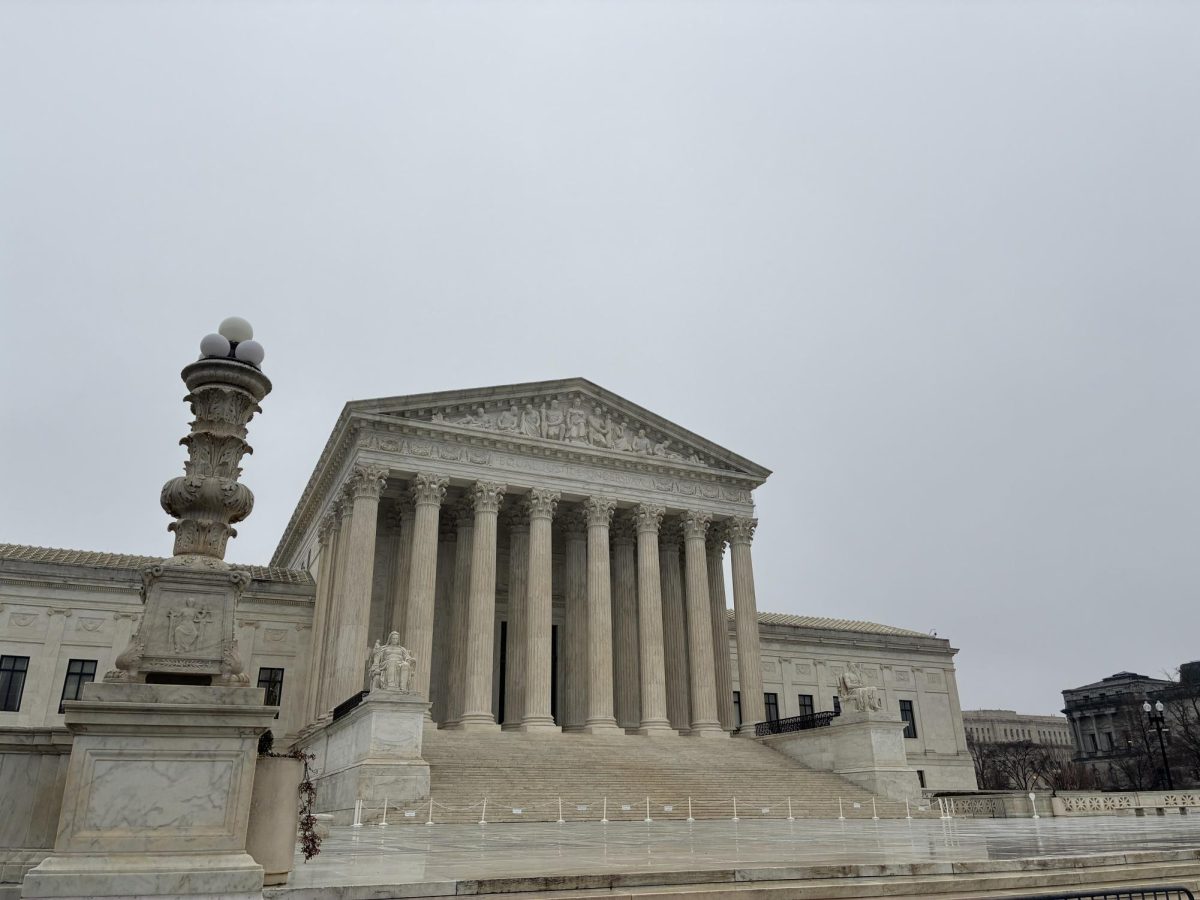
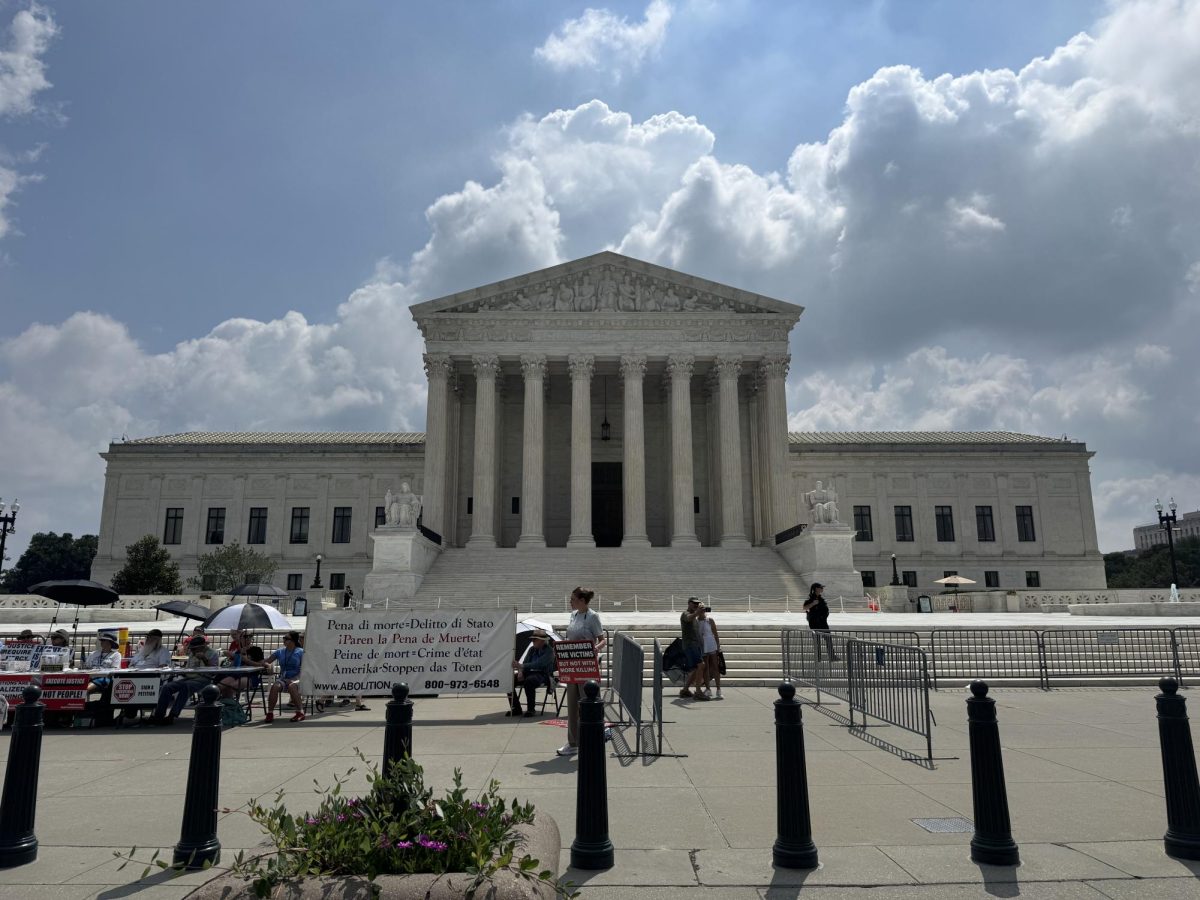
The Supreme Court struck down President Donald Trump’s executive order seeking to end birthright citizenship Tuesday, defeating one of the administration’s standout immigration policies.
The court split 6-3 in Trump v. Barbara, with Chief Justice John Roberts writing the majority opinion asserting that the executive order violates the 14th Amendment.
President Trump signed Executive Order 14160 in January 2025, directing federal agencies not to recognize citizenship for children born in the U.S. if neither parent is a citizen or lawful permanent resident. Multiple district courts blocked the order before the case reached the Supreme Court.
The justices considered whether children born in the U.S. to noncitizen parents are “subject to the jurisdiction” of the United States under the 14th Amendment’s Citizenship Clause, and therefore entitled to birthright citizenship.
The phrase was interpreted by the majority to mean physical presence in, and obligation to U.S. law, not the “domicile” or “allegiance” standard the administration argued for, under which undocumented immigrants and many visa holders would not qualify their children for citizenship.
“Citizenship, then and now, was the right to have rights — to freely participate in our political community. The Framers of the Fourteenth Amendment extended that promise to ‘every free-born person in this land,’” Roberts wrote for the majority. “We keep that promise today.”
Trump has long questioned birthright citizenship calling it a “magnet for illegal immigration” as far back as his 2016 campaign. He claims the policy is exploited by people entering the country specifically to give birth on U.S. soil.
The administration’s current push centered on Solicitor General John Sauer’s argument that the Citizenship Clause was written to secure citizenship for freed slaves and their descendants, not for “children of temporary visitors or illegal aliens,” and on concerns about “birthright tourism.”
That basis met skepticism at the April 1 oral arguments, notable also because Trump attended in person, a first for a sitting president.
The order would have applied only to babies born after it took effect, though legal experts have warned that any reasoning upholding it could later be used to question the citizenship of people already born. Sotomayor raised this issue directly at oral argument, suggesting a future administration could move to “unnaturalize” people born here to undocumented parents.
The dissent included Justices Clarence Thomas, Neil Gorsuch, and Samuel Alito. Notably Alito and Gorsuch were missing from the Court’s session amidst rumors and even false reports of Alito’s retirement.
On Tuesday, Trump said in a Truth Social post that it was “too bad for our country” that the high court upheld birthright citizenship and urged Congress to pass legislation outlawing it.
The ruling marks the second major loss for the administration this term, after the Court struck down a number of Trump’s tariffs in February. An estimated 255,000 children born in the U.S. each year would have been affected had the order stood, per Migration Policy Institute.
Gaylord News is a reporting project of the University of Oklahoma Gaylord College of Journalism and Mass Communication. For more stories by Gaylord News go to GaylordNews.net.