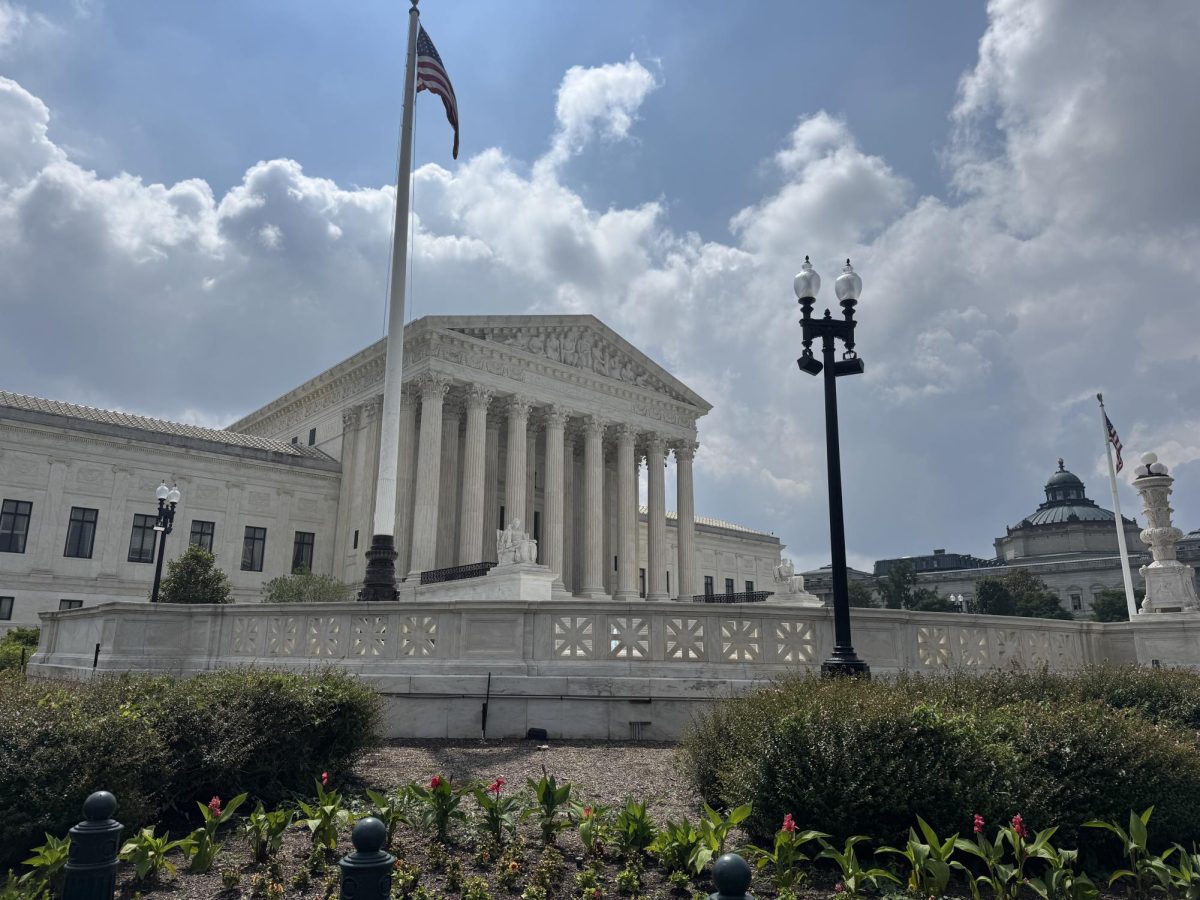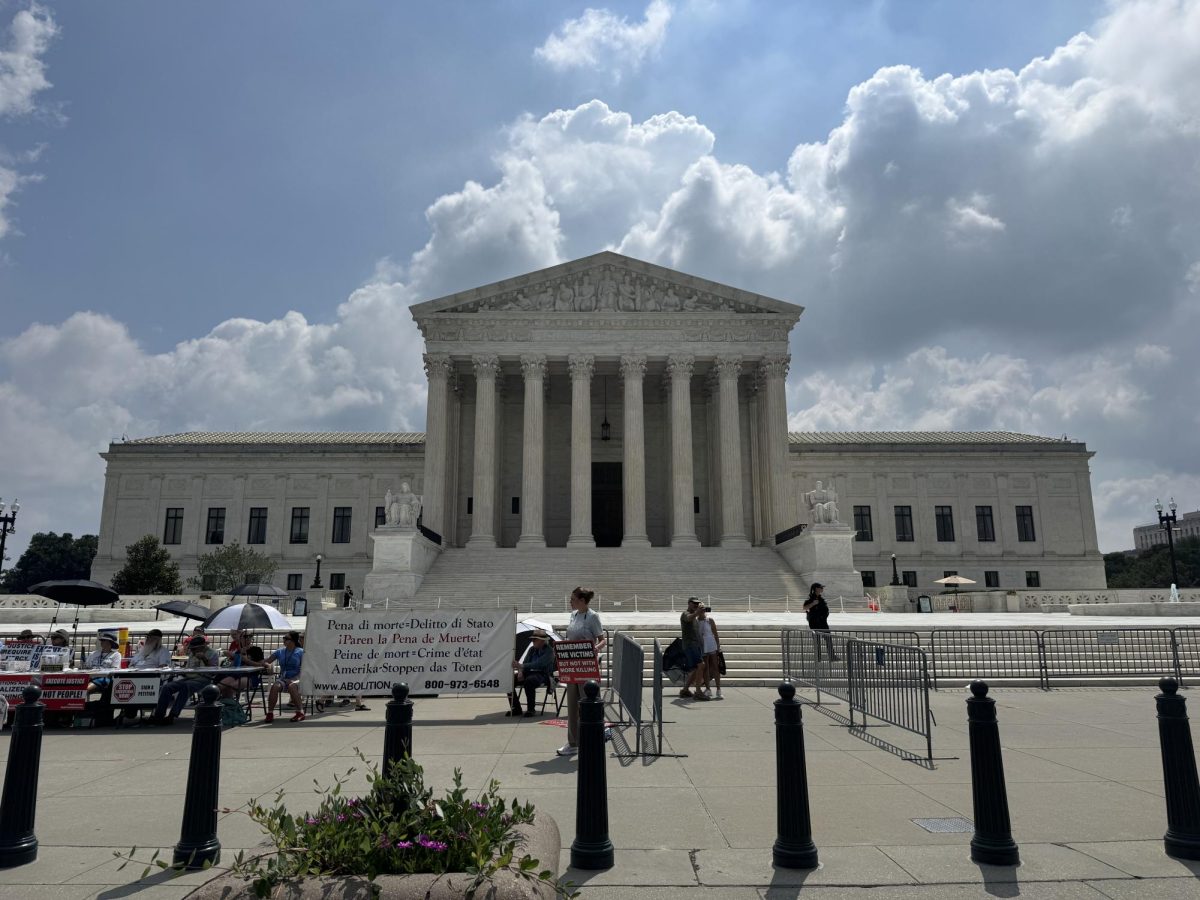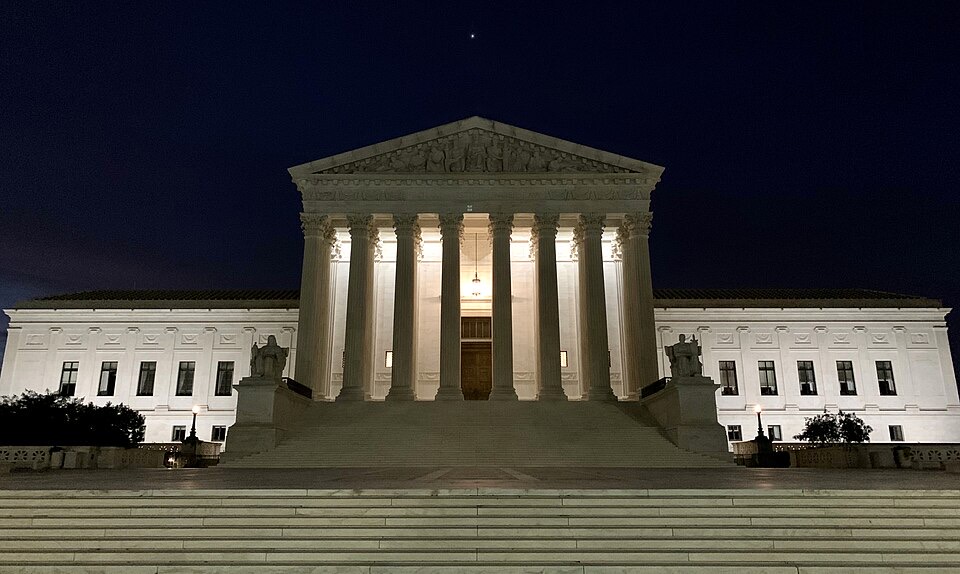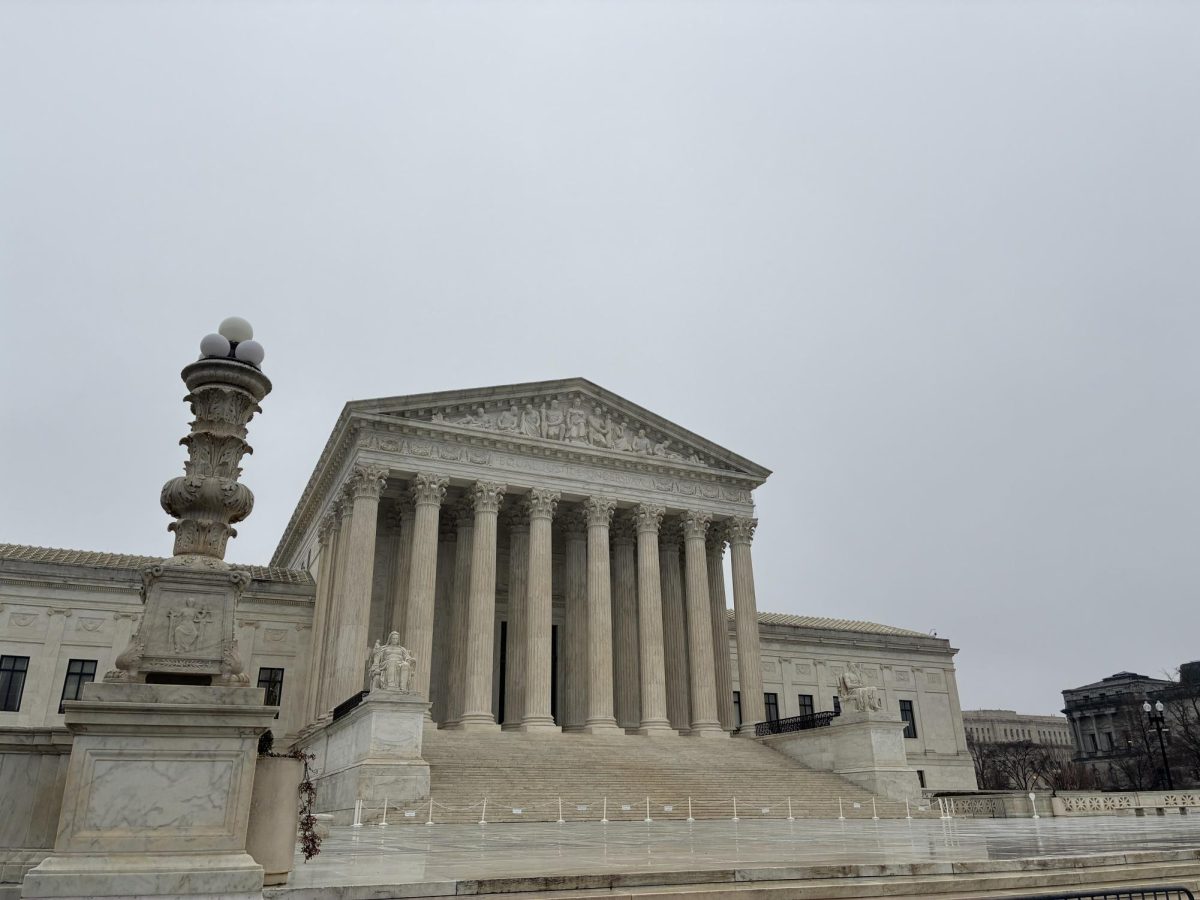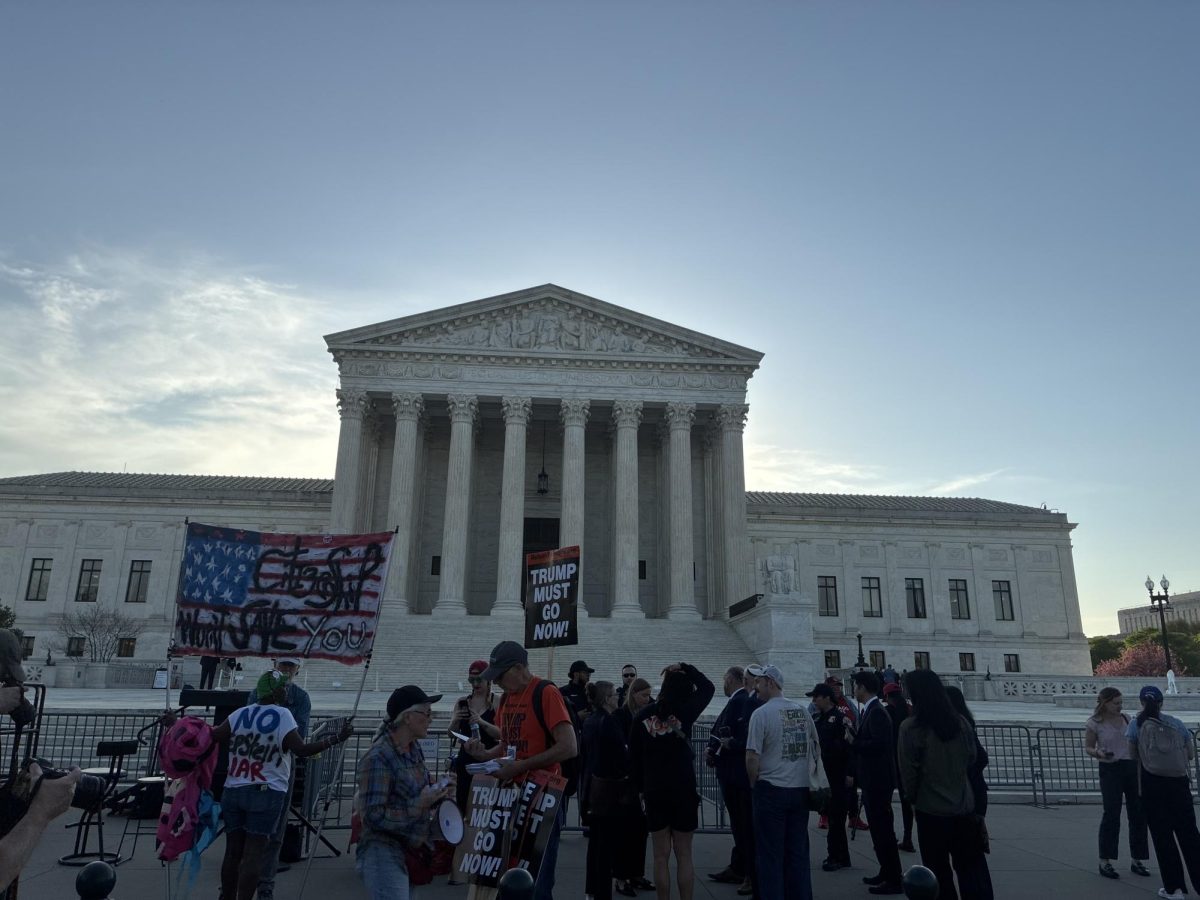
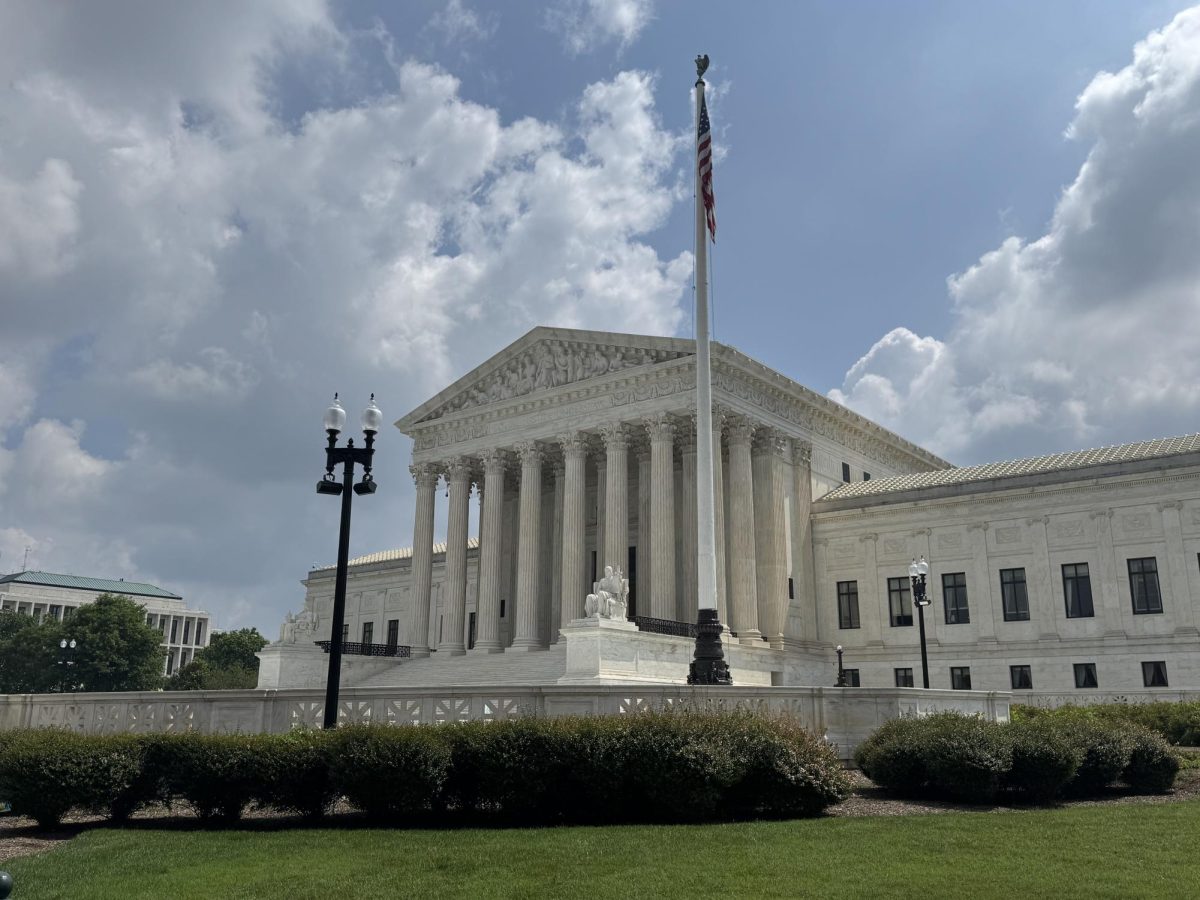
WASHINGTON – The Supreme Court ruled Monday that states may count absentee ballots received after Election Day as long as they were postmarked by that date, upholding a Mississippi law and preserving similar rules in more than a dozen states ahead of November midterms.
The 5-4 decision in Watson v. Republican National Committee rejected an argument that federal law requires mail-in ballots to be received by Election Day.
Justice Amy Coney Barrett wrote the majority opinion, concluding that federal election-day statutes set the deadline for when voters must cast their ballots, not when election officials must receive them.
Mississippi’s law, which permits certain residents such as college students away from home and senior citizens to vote by absentee ballot, allows ballots to be counted if postmarked on or before Election Day and received within five business days afterward.
Justice Samuel Alito, notably absent from the session, wrote the dissenting opinion, joined in full by Justices Clarence Thomas and Neil Gorsuch, and in part by Justice Brett Kavanaugh.
Alito argued that accepting late-arriving ballots effectively postpones the date on which the electorate’s choice is made, which he said federal law does not permit. He warned the ruling “creates a serious risk of further undermining public confidence in our elections and our system of self-government.”
The ruling preserves laws in 14 states and Washington, D.C., that provide grace periods for all mail ballots, and separately protects grace period rules in 30 states that apply to military and overseas voters.
A Votebeat analysis found that more than 745,000 absentee ballots arrived after Election Day in 2024 across 11 of the 15 jurisdictions with grace periods, representing no more than roughly 3 percent of the total vote in any state.
The decision does not affect Oklahoma election law. Oklahoma requires absentee ballots returned by mail or private delivery service to be received by the county election board by 7 p.m. on Election Day to be counted. The state does not have a postmark grace period.
The ruling also complicates a March 2025 executive order from President Donald Trump that attempted to impose a nationwide ban on mail-ballot grace periods for federal elections, citing the same federal statutes at issue in Watson.
Barrett’s majority opinion concluded those statutes do not conflict with state grace-period laws, removing the legal foundation for that portion of the order. The executive order is already subject to several injunctions from federal courts.
In a Truth Social post Trump called the decision a “tremendous loss” and urged Congress to pass the SAVE America Act, a stalled bill that would require photo identification and proof of citizenship to vote by mail while restricting mail voting to voters who are ill, disabled, deployed or traveling. Trump has long argued that vote counting that did not conclude on election night was fraudulent. The ruling rejects that position.
Gaylord News is a reporting project of the University of Oklahoma Gaylord College of Journalism and Mass Communication. For more stories by Gaylord News go to GaylordNews.net.