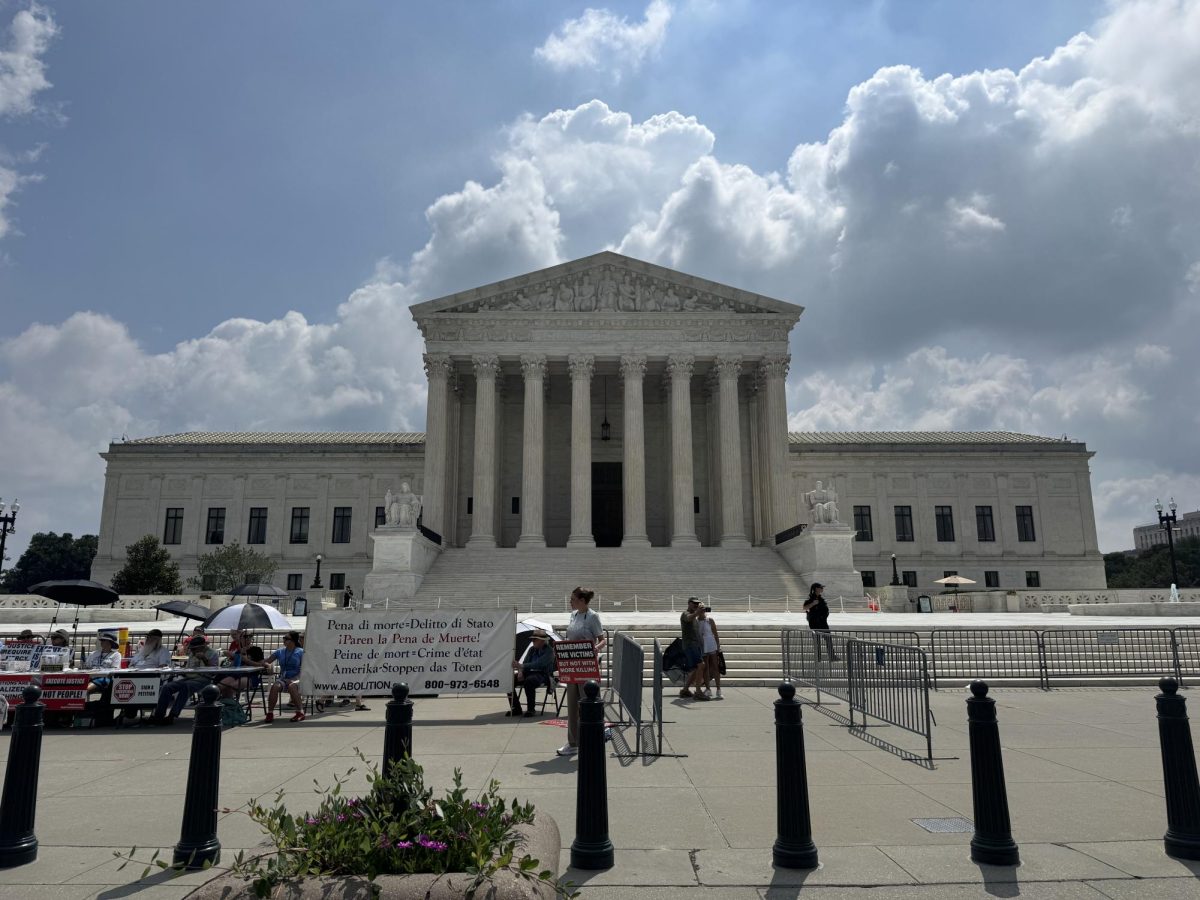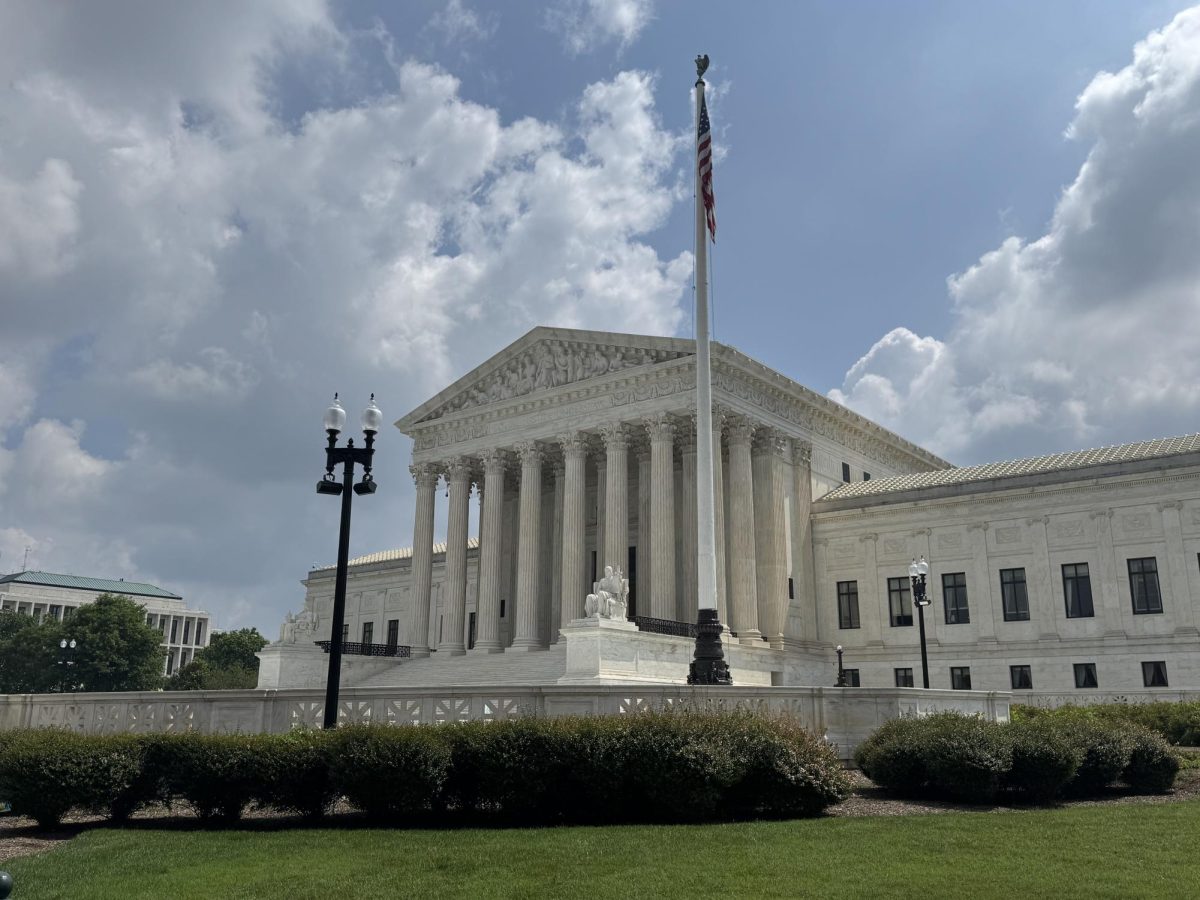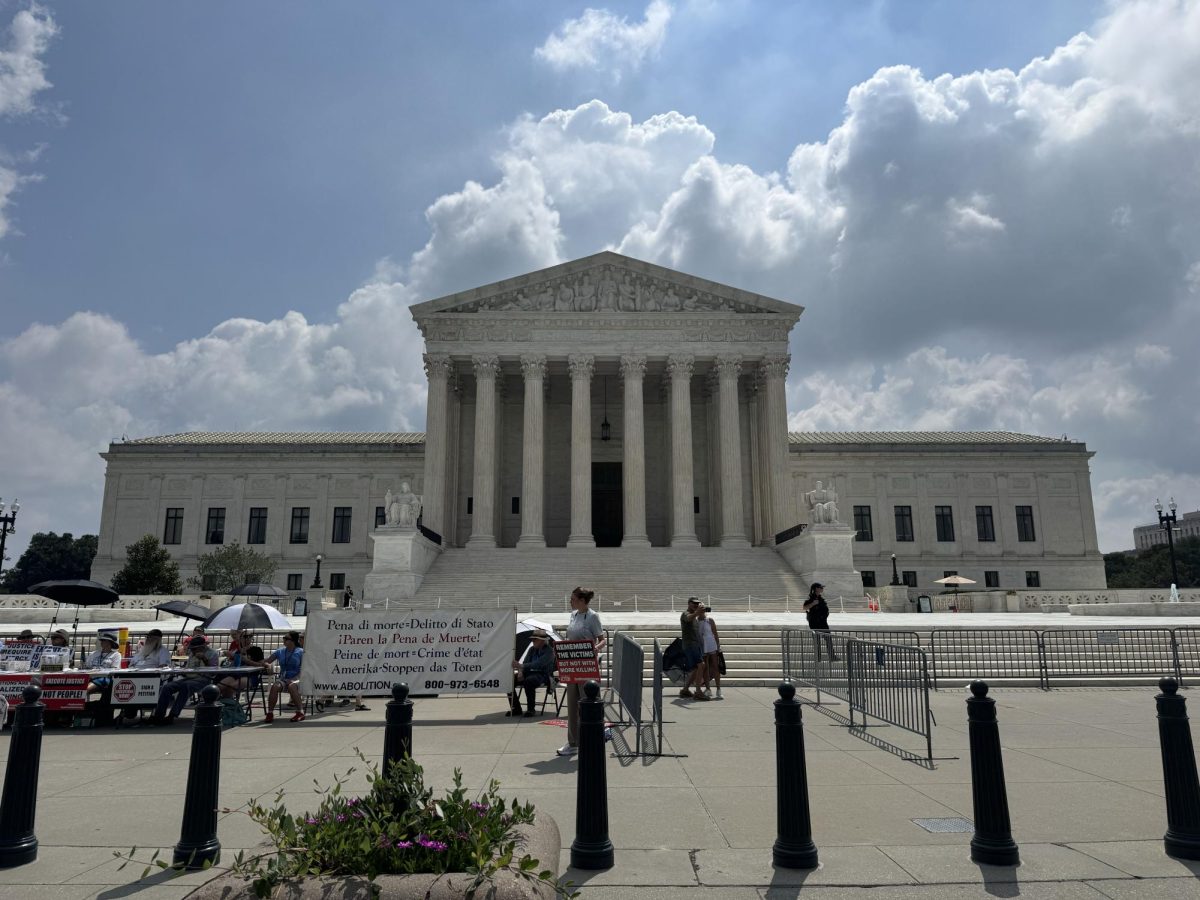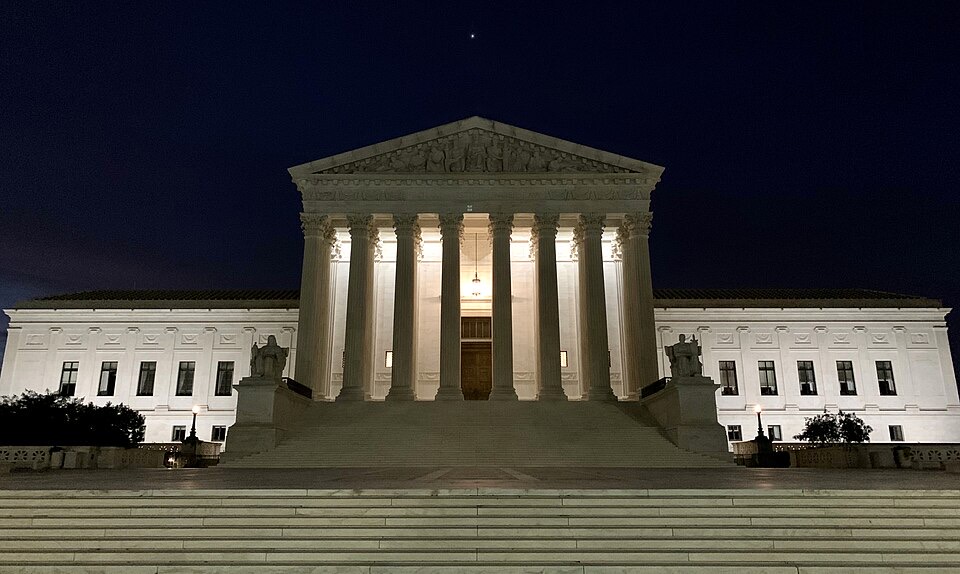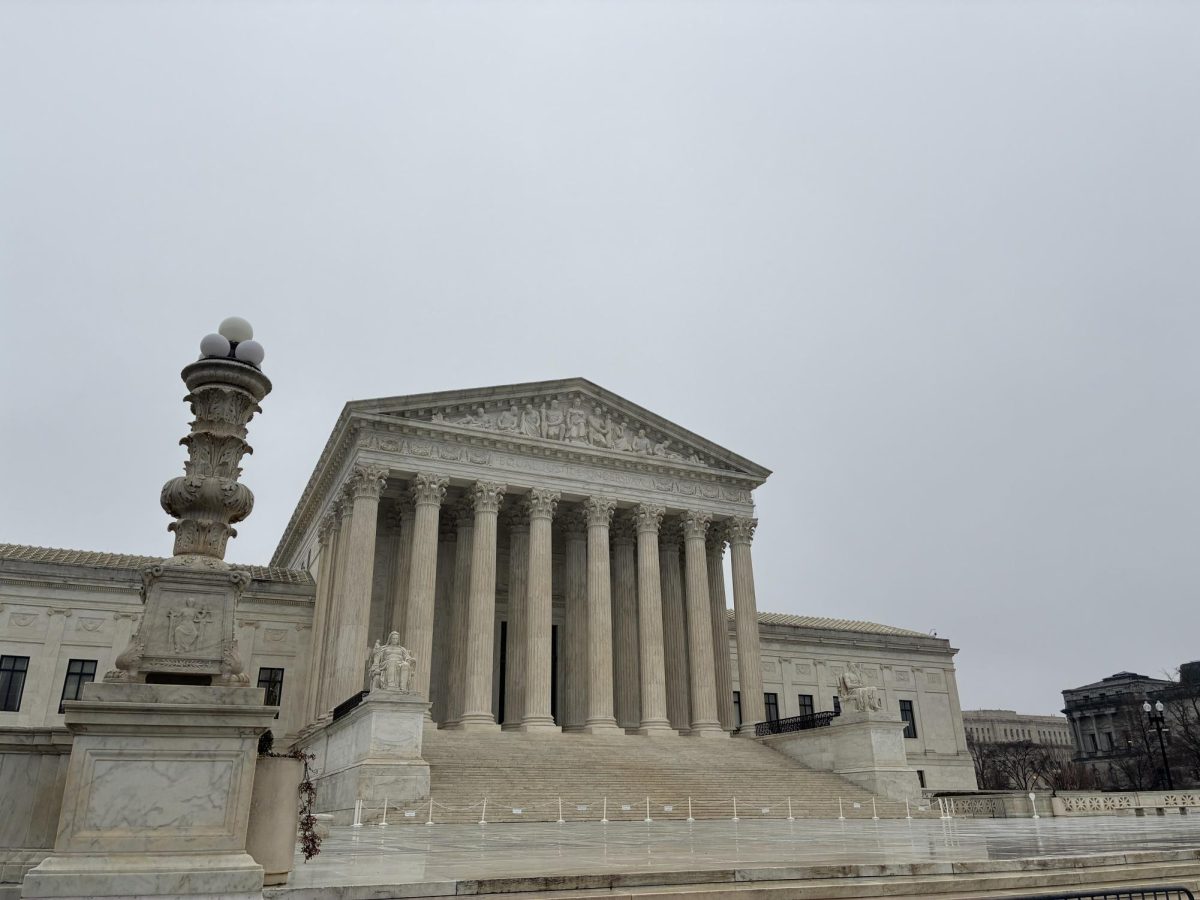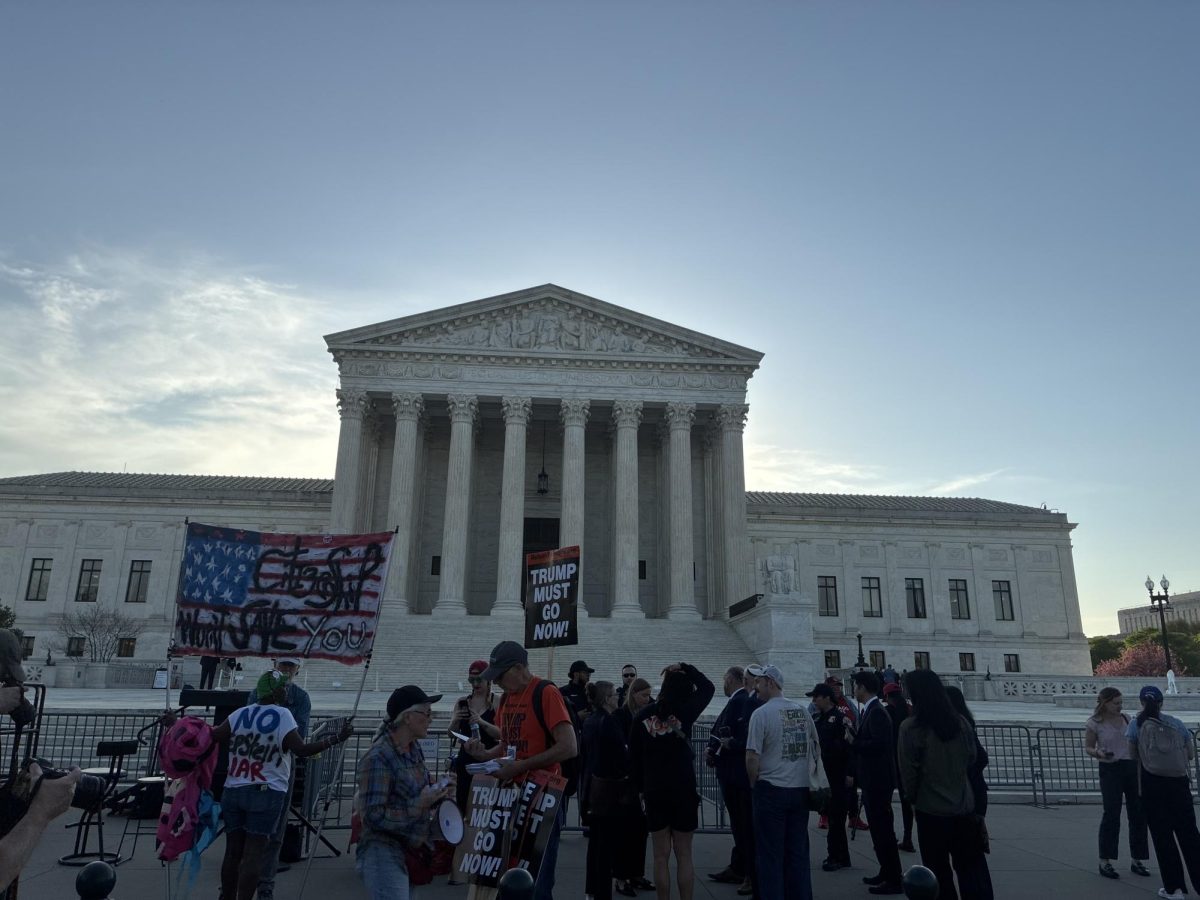
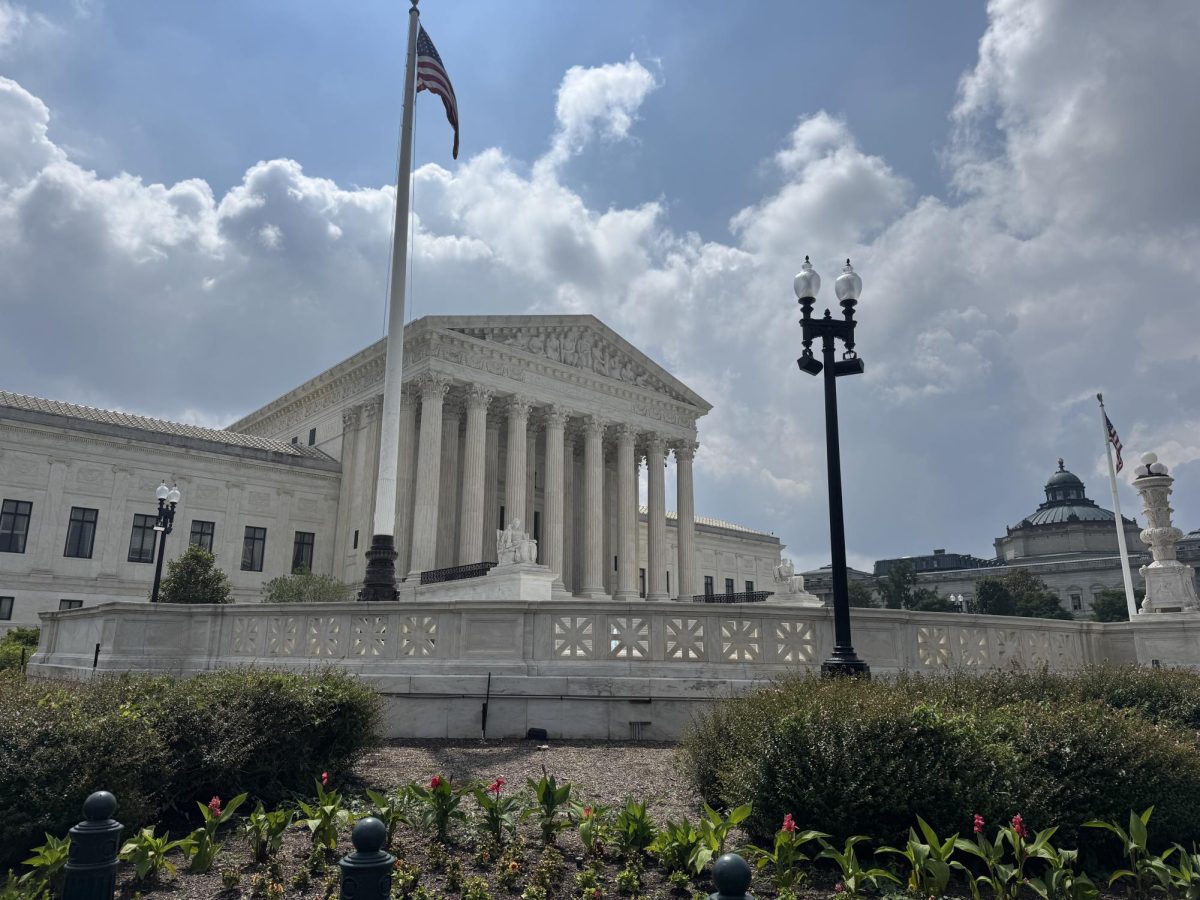
The Supreme Court ruled 6-3 Tuesday that states may bar transgender athletes from competing in girls’ and women’s sports, upholding laws that restrict participation based on biological sex.
Justice Brett Kavanaugh wrote for the majority in West Virginia v. B.P.J. and the companion case Little v. Hecox, holding that such laws do not violate Title IX or the Equal Protection Clause of the 14th Amendment.
The court concluded that states have important interests in protecting safety and competitive fairness in girls’ and women’s sports and therefore may base eligibility for those teams on biological sex.
Kavanaugh wrote that allowing a biological male athlete to compete on a girls’ team “necessarily displaces or disadvantages a female athlete replacing her on the roster, knocking her out of the starting lineup, reducing her playing time, depriving her of a medal, and the like.”
West Virginia’s Save Women’s Sports Act, enacted in 2021, requires athletic teams to be designated based on biological sex. Becky Pepper-Jackson, identified in court documents as B.P.J., was 12 years old when she and her mother filed a lawsuit challenging the law under the Equal Protection Clause of the 14th Amendment and Title IX.
According to court filings Pepper-Jackson began socially transitioning in third grade and has taken puberty-delaying medication and hormone therapy, preventing her from ever experiencing male puberty. She argued West Virginia’s ban violated her rights because it applied to her regardless of any individual finding about competitive advantage.
Pepper-Jackson’s lawyers argued she has none of the biological athletic advantages the state attributes to males due to her early medical transition. West Virginia’s attorney general countered that by her sophomore year, she was defeating nearly every female athlete in the state.
The Idaho case began when Lindsay Hecox, a transgender woman, enrolled at Boise State University in 2019, and Idaho’s Fairness in Women’s Sports Act prohibited her from trying out for the school’s women’s track and cross-country teams.
A district court blocked the law, allowing Hecox to try out but she did not make either squad and instead participated in women’s club soccer and running. After years of appeals by the state, the Supreme Court agreed to hear the case.
The ruling allows states and schools to exclude transgender girls from female teams but does not require them to do so. The court did not decide whether jurisdictions that allow transgender athletes to compete consistent with their gender identity may continue those policies.
The court narrowed its ruling by distinguishing athletics from employment and other educational settings, writing that the legal questions surrounding sex-separated sports differ from those addressed in other discrimination cases.
Citing the Supreme Court’s 2020 decision in Bostock v. Clayton County, which held that LGBTQ employees are protected from workplace sex discrimination under Title VII, Kavanaugh wrote that Title VII and Title IX operate in “vastly different” factual contexts and that Bostock was “not relevant in this very different statutory and factual context.”
Justice Sonia Sotomayor argued in dissent that the court should not have resolved the Equal Protection question at all before determining whether Pepper-Jackson had any genuine biological advantage over her teammates, writing “in the end, to the Court, the facts do not matter, even though the consequences are serious.”
Kavanaugh, however, wrote that judicially managed, case-by-case physical assessments of individual transgender athletes would be “almost impossible” and would yield “endless and bitter” disputes with few principled answers, making a categorical rule, not individual exemptions, the appropriate judicial approach.
Oklahoma is among the 27 states with such bans in place. Gov. Kevin Stitt, who signed Oklahoma’s Save Women’s Sports Act in 2022, praised the ruling on X, writing that “because states like Oklahoma enacted the Save Women’s Sports Act, girls all across the country are protected in the locker room and get to compete on a level playing field.”
The ruling leaves unresolved challenges to laws in Connecticut, California and elsewhere that allow transgender athletes to compete consistent with their gender identity, which are likely to face further legal challenges.
The American Civil Liberties Union, which represented both athletes, called the ruling “heartbreaking.” President Donald Trump wrote on Truth Social that the decision was a “BIG WIN” against “men playing in women’s sports.”
Gaylord News is a reporting project of the University of Oklahoma Gaylord College of Journalism and Mass Communication. For more stories by Gaylord News go to GaylordNews.net.