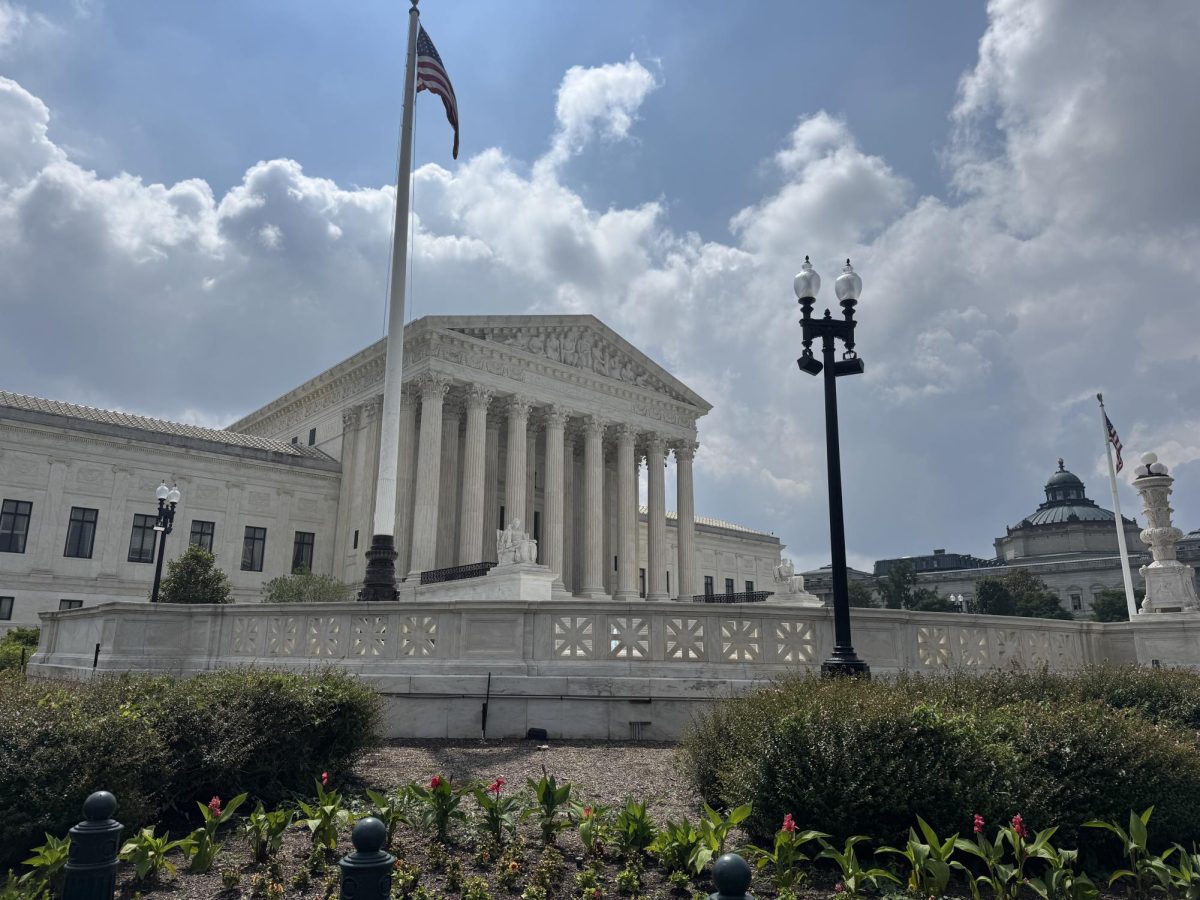

WASHINGTON — Sen. James Lankford is backing legislation that would protect 49,000 Oklahoma federal workers from the immediate effects of government shutdowns while requiring Congress to remain in Washington until spending bills are passed.
The Prevent Government Shutdowns Act of 2026 seeks to address a recurring problem that has disrupted federal agencies, delayed services, and created financial uncertainty for millions of government employees and contractors.
Originally introduced in 2019, the bipartisan proposal would prohibit official congressional travel, requiring members to stay in Washington, D.C, until annual spending bills are passed. The bill will also provide temporary funding for a 14-day increment based on the previous fiscal year’s spending level, so that federal workers will not be immediately impacted.
“With 5,000 bills filed in the Senate, it is a lot of ideas that are out there that are all competing for let us talk about it right now. That takes time to move to the top of the stack. Last session, we were three votes short of passing this bill,” Lankford said.
What makes the Prevent Government Shutdown Act of 2026 different from the previous efforts, is that the previous version of this bill almost passed but never got through.
According to federal workforce data, Oklahoma has 49,000 civilian federal workers, excluding military and postal workers. A government shutdown directly influences thousands of Oklahoma families around the state.
Supporters of the legislation argue that the bill would provide financial stability within 14 days. For federal employees while increasing pressure on Congress to complete its responsibilities on time.
“We had cases during the most recent shutdown, at least one case of a TSA officer selling their own plasma just to get some money to pay for gas and food…” said Daniel Horowitz, legislative director for the American Federation of Government Employees
Horowitz said he has seen firsthand how employees have been directly affected. Many employees live paycheck to paycheck and struggle to put food on the table when government funding lapses.
“It still pained me quite a bit to see our union members working without a paycheck,” said Forest Bennett, incumbent president of the Oklahoma AFL-CIO. “These are working-class people who are bearing the brunt of a federal government shutdown that all too often seems more like a political game to the people in Washington.”
Bennett, a former Oklahoma House of Representatives member representing District 92 from 2016 to 2025, said one of the bill’s strongest provisions is holding lawmakers accountable during funding lapses.
“It should not be business as usual for the members of Congress when business as usual is not happening for the rank-and-file folks who are making the country work,” Bennett said.
“Federal workers who are there doing their job, serving their neighbors, and their community, and their nation, and yet their pay gets cut off because we can’t get our problems solved.” Lankford said.
The most recent shutdown—a partial shutdown narrowly affecting the Department of Homeland Security — lasted 76 days coming to an end on April 30.
Until the most recent shutdown, Congress Congress often used Continuing Resolutions to maintain current funding levels and prevent shutdowns while longer-term CRs as a stopgap measure to maintain current funding levels and prevent closures while long-term budgets are negotiated.
The bipartisan bill supported by Landford, the senior senator from Oklahoma and Hassan, a New Hampshire Democrat, reduces pressure on Congress.
Some budget policy groups, like the Committee for a Responsible Federal Budget, argue that automatic funding could reduce pressure on Congress to pass the 12 complete the appropriation bill on time and lock federal agencies into outdated spending levels.
The late Oklahoma Sen. and Gov. Henry Bellmon co-founded the policy committee more than 50 years ago.
Others contend that not automatically funding removes leverage lawmakers have to use during budget negotiations.
Gaylord News is reporting project of the University of Oklahoma Gaylord College of Journalism and Mass Communication. For more stories by Gaylord News go to GaylordNews.net.